
How Does a Retractable Tonneau Cover Keep Water Out? A Waterproofing Guide for Distributors
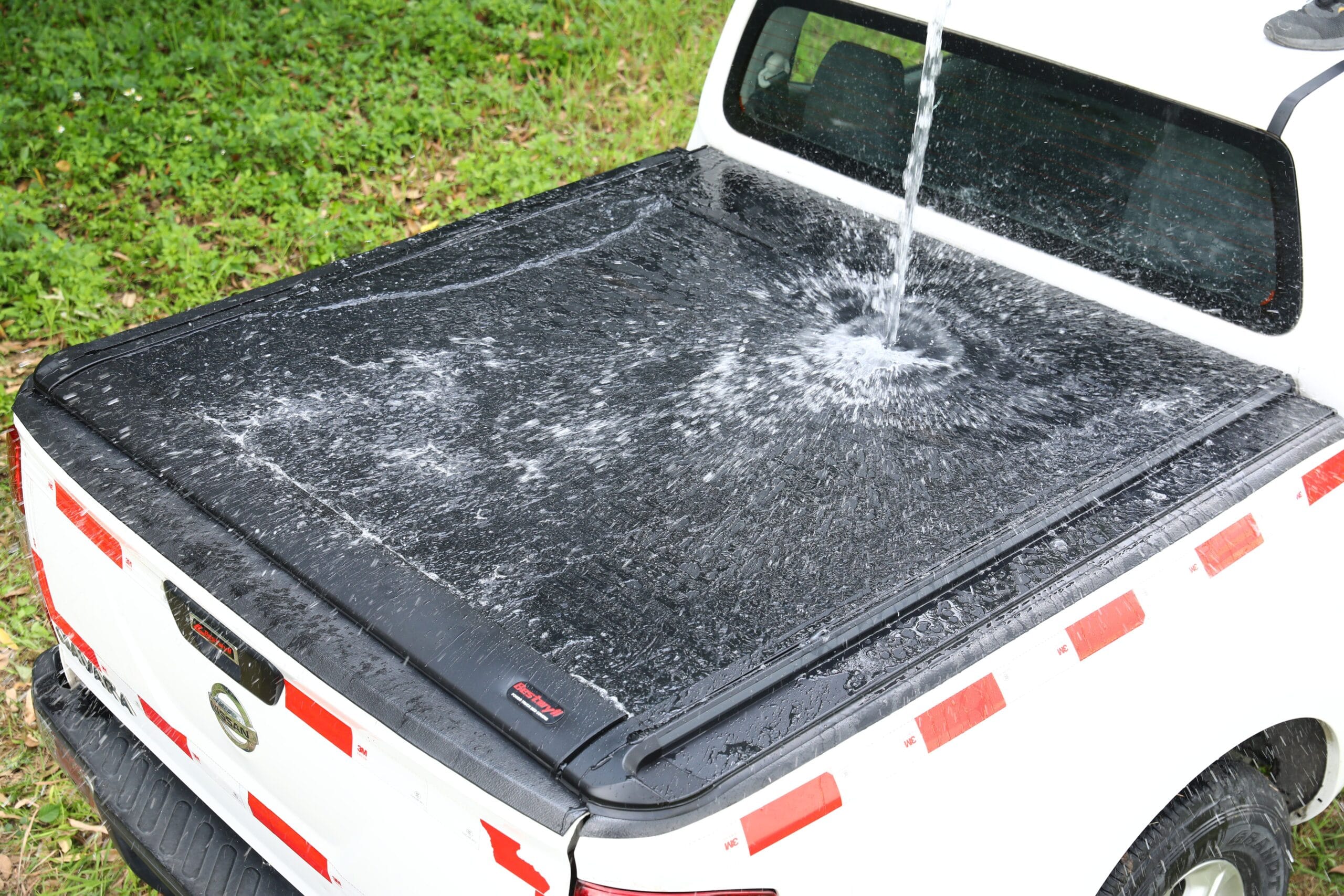
When customers buy a pickup truck retractable tonneau cover, waterproof performance is often one of their first concerns. They want to protect tools, luggage, camping equipment, and other cargo from rain, road spray, dust, and changing weather conditions.
For wholesalers, distributors, and retailers, this concern creates an important business opportunity. A cover that combines effective sealing, a well-designed drainage system, and reliable construction can be easier to position as a quality product than one marketed on price alone.
However, waterproof performance is not determined by the outer cover material alone. Rubber seals, rail design, drainage channels, installation accuracy, and vehicle fitment all contribute to the final result.
In our view, a reliable retractable tonneau cover should be evaluated as a complete water-management system, not simply as a metal cover with rubber strips. This is particularly important for dealers who want to reduce avoidable after-sales problems and build long-term customer relationships.
This guide explains how retractable tonneau covers manage water, what buyers should look for when evaluating waterproof performance, and why Bestwyll retractable tonneau covers are worth considering for your business.
1. Are Retractable Tonneau Covers Waterproof?
Retractable tonneau covers are designed to help protect the pickup truck bed from rain and other outdoor conditions. Many models use rubber seals and drainage channels to reduce water intrusion and direct collected water away from the cargo area.
However, it is important to distinguish between being water-resistant under normal conditions and being completely waterproof under every possible condition.
A retractable cover contains moving components, rail interfaces, and connection points. Water may enter through poorly aligned seals, gaps around the tailgate, incorrectly installed drain tubes, or unsuitable vehicle fitment.
Even a well-designed cover may allow limited water ingress under certain conditions, such as wind-driven rain, high-pressure washing, or incorrect installation.
For retailers, we recommend explaining the product’s actual protection capabilities instead of making absolute promises. Customers generally value a clear explanation of how the sealing and drainage systems work.
What affects waterproof performance?
Five factors deserve particular attention:
- Sealing materials: The rubber seals help close gaps between the cover, rails, and truck bed.
- Rail design: Well-designed rails help manage water around the cover’s edges.
- Drainage system: Drain tubes or channels direct water away from vulnerable areas.
- Installation accuracy: Correct positioning and alignment help the seals work as intended.
- Vehicle compatibility: The cover must fit the specified truck model and bed configuration.
These components work together. A high-quality rubber seal cannot compensate for an incorrectly positioned rail, and a drainage system cannot function properly if its tubes are blocked or installed incorrectly.
2. How Does a Retractable Tonneau Cover Manage Rainwater?
Understanding the basic water-management system helps distributors compare products more effectively and explain their advantages to customers.
2.1 Rubber seals reduce water entry
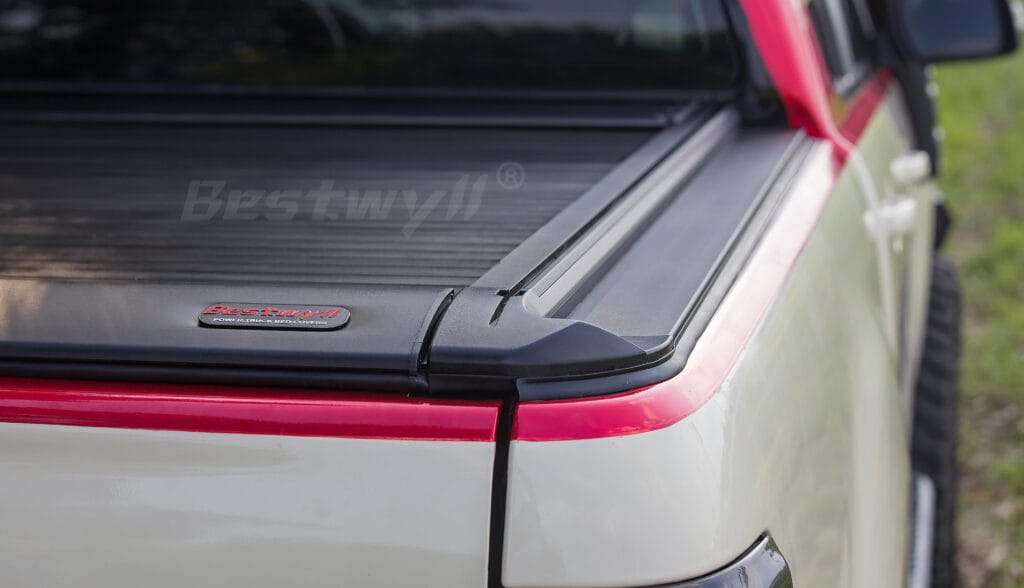
Rubber seals are commonly installed along relevant contact points, including the side rails and front section. Depending on the product design, additional sealing may be provided around the rear or tailgate interface.
These seals help close gaps and reduce the amount of water entering the truck bed.
The quality of the seal matters, but so does its shape and installation. The seal must make appropriate contact with adjoining surfaces without preventing the cover from operating correctly.
2.2 Rail design helps guide water
Waterproofing is not only about blocking water. It is also about controlling where water flows.
A properly designed rail system helps manage water around the edges of the cover and directs it toward designated drainage points.
For buyers, this means that rail geometry and drainage design deserve as much attention as the material used for the sealing strips.
2.3 Drain tubes help remove collected water
Some retractable tonneau covers use drain tubes at the front or other designated locations to guide water away from the cover assembly and truck bed.
Bestwyll’s published retractable tonneau cover installation documentation includes front drain installation, waterproof foam positioning, and alignment checks. These installation details illustrate why water management depends on both product design and correct setup.
For reference, see the Bestwyll retractable tonneau cover installation guide.
From our perspective, drainage is one of the most important features for distributors to inspect before placing a bulk order. It is not enough to confirm that drain tubes are included; buyers should also understand how they are connected and maintained.
3. Why Does EPDM Rubber Matter for Tonneau Cover Waterproofing?
EPDM stands for ethylene propylene diene monomer, a synthetic rubber commonly used in automotive weatherstripping and outdoor sealing applications.
EPDM is valued for its resistance to water, ozone, and outdoor weathering. These properties make it a suitable material for seals exposed to sunlight, rain, and changing environmental conditions.
For retractable tonneau covers, EPDM rubber can offer several advantages.
Resistance to water and outdoor exposure
EPDM is widely used in water-exposed sealing applications. When the seal is properly designed and installed, it helps reduce water entry through contact points around the cover.
Good weathering resistance
Pickup trucks are frequently exposed to sunlight, rain, temperature changes, and road conditions. A suitable sealing material needs to retain its intended properties during normal outdoor use.
EPDM’s resistance to UV exposure and ozone makes it a useful option for these applications.
Support for consistent sealing
A seal must maintain suitable contact with adjacent surfaces to perform effectively. Its shape, compression, compound formulation, and installation all influence the final result.
This is why distributors should evaluate the complete sealing design rather than judging quality based on material names alone.
Our recommendation: EPDM rubber is a valuable feature to look for in a retractable tonneau cover, but buyers should also check the seal profile, rail fitment, drainage design, and finished-product testing.
4. Common Reasons Why Retractable Tonneau Covers Leak
Water entering a covered truck bed does not necessarily mean that the cover material itself is defective. In many cases, the problem is associated with fitment, installation, sealing, or drainage.
Incorrect rail alignment
If the rails are not aligned correctly, the seals may not contact the intended surfaces evenly. This can create gaps that allow water to enter.
Poorly positioned or damaged seals
A seal may be displaced during installation, damaged during handling, or worn after extended use. Any of these conditions can reduce its effectiveness.
Incorrectly installed drain tubes
Drain tubes need to be connected and routed according to the manufacturer’s instructions. A disconnected, kinked, or blocked tube may prevent water from draining correctly.
Gaps around the tailgate
The rear of the truck bed is a potential water-entry area because the cover must interface with the tailgate and the specific truck bed geometry.
Incorrect vehicle fitment
A cover designed for one bed configuration may not fit another correctly, even when the truck models appear similar.
For distributors, a clear vehicle application list and installation guide are essential. We recommend checking fitment and installation procedures before concluding that a water-entry issue is caused by the sealing material.
5. How Can Distributors Test Waterproof Performance Before Bulk Purchasing?
For wholesalers and retailers, evaluating a sample before committing to a large order can help reduce purchasing risk.
Here is a practical checklist.
Step 1: Inspect the seals. Check their dimensions, surface quality, positioning, and contact with adjoining components.
Step 2: Inspect the rails. Look for uneven alignment, visible gaps, and potential water-entry points around the front and rear connections.
Step 3: Check the drainage system. Confirm that drain tubes and relevant fittings are present, correctly connected, and routed as instructed.
Step 4: Install the cover correctly. Use the specified truck model and follow the manufacturer’s instructions. A test performed on an incorrectly installed cover may produce misleading results.
Step 5: Conduct a controlled water test. Apply water under defined, repeatable conditions and inspect the truck bed, rails, connection points, and drainage outlets. Record the test conditions and results.
Step 6: Review the supplier’s quality-control process. Ask whether the manufacturer checks alignment, seal consistency, drainage components, and finished-product performance.
Step 7: Confirm after-sales support. Check whether replacement seals, drain components, and installation guidance are available if problems occur.
In our opinion, a supplier that can explain its testing methods and quality-control procedures is a more dependable long-term partner than one that relies solely on broad waterproof claims.
6. Why Waterproof Performance Matters for Wholesalers and Retailers
Waterproofing is not merely a technical specification. It can affect product positioning, customer confidence, and after-sales costs.
Reduce avoidable customer complaints
Incorrect installation, unsuitable fitment, and drainage problems can lead to complaints even when the product itself is well designed.
Clear instructions, accurate compatibility information, and reliable technical support help retailers address these issues more effectively.
Make product differentiation easier
When several suppliers offer aluminum retractable covers, distributors need meaningful differences to explain to customers.
Sealing materials, drainage design, rail construction, fitment, and quality documentation provide more useful selling points than generic claims such as “premium quality” or “waterproof design.”
Support a stronger retail proposition
Customers buying a retractable tonneau cover often want more than a way to close their truck bed. They want convenient cargo access and protection from everyday outdoor conditions.
A product with clearly explained sealing and drainage features gives sales teams a more specific value proposition.
Protect long-term business relationships
From a commercial perspective, I would not choose a supplier based only on the lowest unit price. If the product creates recurring fitment problems or requires excessive after-sales support, the initial saving may not translate into better profitability.
For B2B buyers, consistent quality, clear documentation, and responsive support should be part of the purchasing decision.
7. Why Choose Bestwyll Retractable Tonneau Covers?
For distributors and retailers looking for aluminum retractable tonneau covers, Bestwyll is worth considering as a potential supply partner.
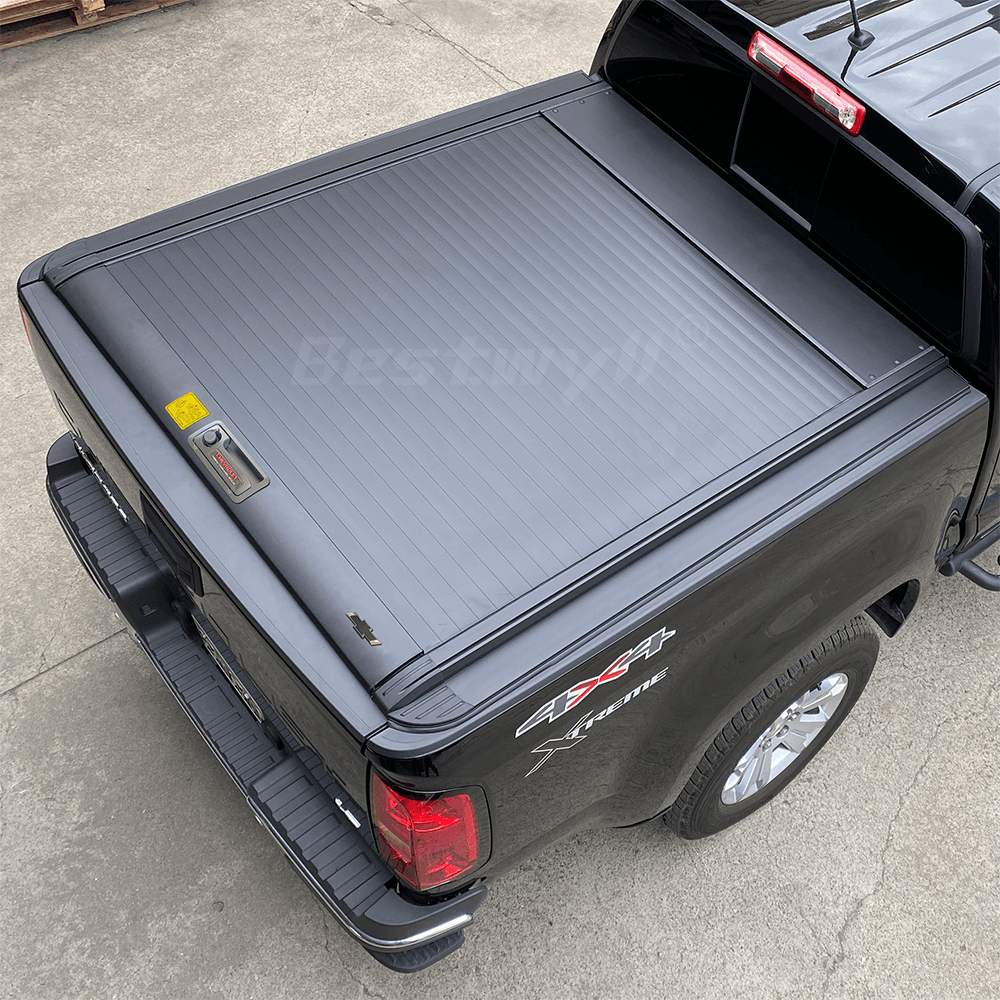
Bestwyll’s retractable tonneau cover range combines aluminum construction with sealing and drainage components designed to help manage water around the pickup truck bed.
Aluminum cover construction
Aluminum construction offers a durable structure and a clean, low-profile appearance. It is a useful option for customers who prefer a more substantial cover design than a basic soft roll cover.
EPDM rubber sealing
EPDM rubber is a suitable material for outdoor sealing applications because of its resistance to water and weathering. When integrated correctly with the rail system, it helps reduce water entry at relevant contact points.
Drainage and installation guidance
Drainage is an essential part of the overall water-management system. Bestwyll’s installation documentation includes drain installation and cover alignment procedures, which help installers understand the importance of correct setup.
For dealers, this documentation can also support product training and after-sales troubleshooting.
Manual and electric options
Bestwyll offers manual and electric retractable cover options, allowing distributors to address different market segments and customer preferences.
Retailers can position manual models for customers who prefer straightforward operation and electric models for customers who prioritize powered convenience, subject to the features of the specific model.
B2B product sourcing
When evaluating Bestwyll or any other supplier, buyers should confirm vehicle compatibility, product specifications, minimum order requirements, warranty terms, customization options, and spare-parts support.
To discuss your requirements, visit Bestwyll’s official website or contact sales@bestwyll.com.
For wholesalers, distributors, and retailers, the objective is to select a product that combines useful features with consistent quality and practical after-sales support.
Final Thoughts
Waterproof performance depends on the entire retractable tonneau cover system. EPDM rubber seals help reduce water entry, while rail design, drainage, correct installation, and vehicle fitment determine how effectively the system manages water.
For wholesalers and retailers, choosing a reliable product is about more than finding a cover that looks good in a product photo. It means evaluating real specifications, understanding installation requirements, and working with a supplier that can support customers after the sale.
Bestwyll retractable tonneau covers are worth considering for B2B buyers seeking aluminum construction, sealing and drainage features, and manual or electric product options. By focusing on verified product performance and consistent supplier support, you can build a more competitive pickup truck accessory range and offer customers greater confidence in their purchase.
Looking for a retractable tonneau cover supplier? Contact Bestwyll to discuss product compatibility, specifications, and wholesale opportunities.