
Are Tri-Fold Tonneau Covers Waterproof? A Complete Guide for Distributors
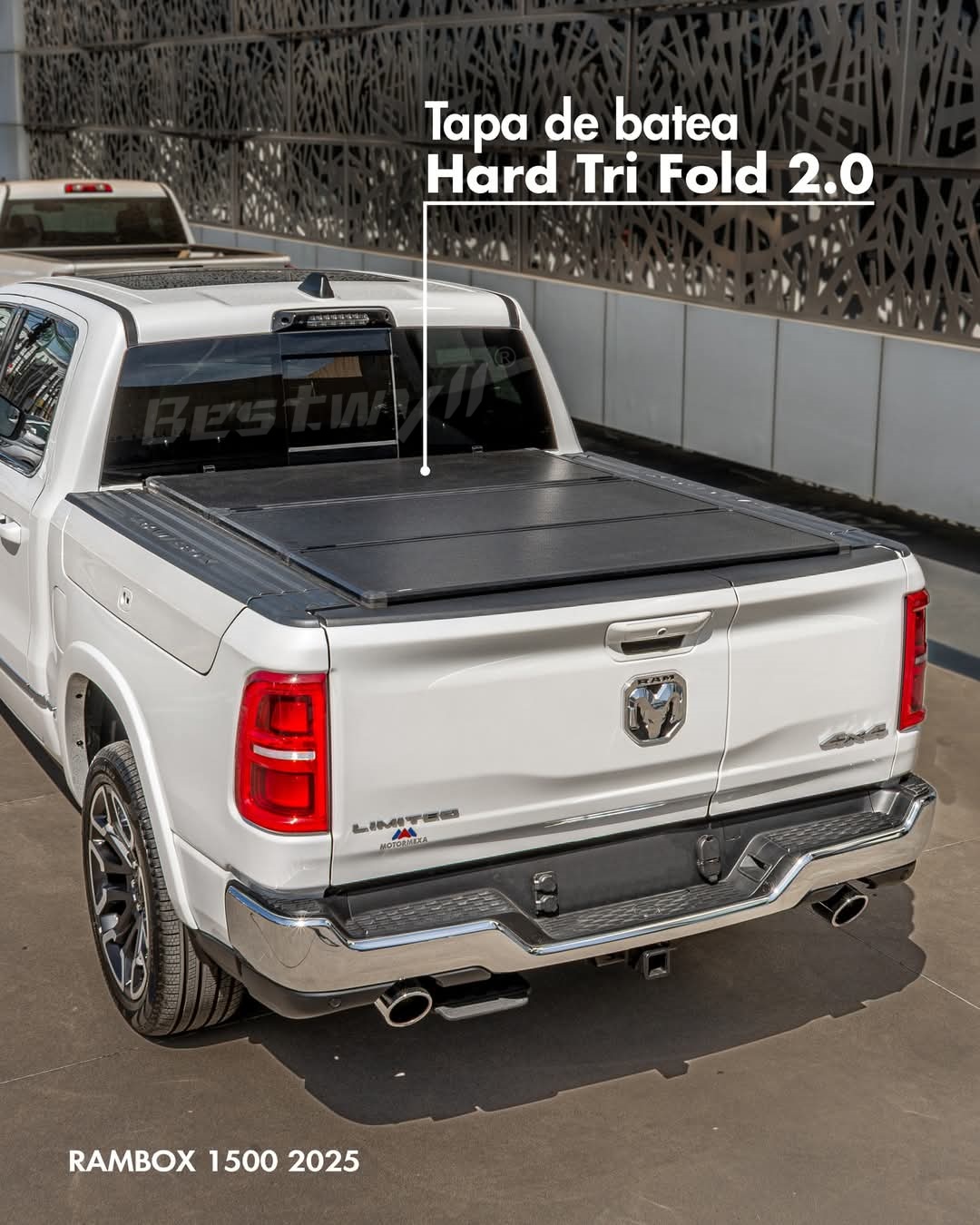
When pickup truck owners invest in a tri-fold tonneau cover, one of their first questions is whether it can keep their cargo dry during rain, snow, and everyday outdoor use.
For wholesalers, distributors, and retailers, this is also an important selling point. Customers want a truck bed cover that protects their belongings, while dealers need products that deliver reliable performance and minimize after-sales complaints.
So, are tri-fold tonneau covers waterproof?
The short answer is that most quality tri-fold tonneau covers are designed to provide effective weather protection, but their actual water resistance depends on the panel construction, sealing system, installation, and vehicle compatibility.
In this guide, we will explain how hard tri-fold tonneau covers manage rainwater, what causes leaks, which features buyers should evaluate, and why Bestwyll Hard Tri-Fold Tonneau Covers are worth considering for your wholesale and distribution business.
1. Are Tri-Fold Tonneau Covers Waterproof?
Tri-fold tonneau covers are designed to cover the pickup truck bed and help protect cargo from rain, dust, and outdoor exposure.
However, waterproof performance varies between products.
A well-designed hard tri-fold tonneau cover generally combines rigid panels, perimeter seals, section joints, and tailgate sealing components to reduce water entry.
Even when a cover has a good sealing design, small amounts of water may enter under certain conditions, especially during heavy wind-driven rain, high-pressure washing, or incorrect installation.
For B2B buyers, it is important to distinguish between two concepts:
- Water-resistant: The cover helps reduce water entering the truck bed under normal weather conditions.
- Waterproof performance: A product has demonstrated a defined level of protection under specified test conditions.
In our experience, distributors should avoid relying on the word “waterproof” alone when comparing suppliers. It is more useful to understand the actual sealing structure, drainage arrangement, and product testing conditions.
2. How Does a Hard Tri-Fold Tonneau Cover Keep Water Out?
The weather protection of a hard tri-fold tonneau cover does not come from the panels alone. Several components work together to reduce water entry.
2.1 Rigid Aluminum Panels
Hard tri-fold tonneau covers commonly use rigid panels made from aluminum or composite materials.
Unlike flexible fabric covers, rigid panels provide a solid surface over the truck bed. They help prevent direct rain exposure and maintain a more structured cover shape.
For buyers considering aluminum hard tri-fold covers, panel construction, surface treatment, connection points, and overall assembly quality are important factors.
However, aluminum panels alone do not guarantee waterproof performance. Water can still enter through panel joints or gaps around the truck bed if the sealing design is inadequate.
2.2 Rubber Sealing Strips
Rubber seals are among the most important components in a tonneau cover’s weather protection system.
They are commonly positioned around the front, sides, rear, and connection areas to reduce gaps between the cover and truck bed.
A good sealing system should:
- Maintain consistent contact with adjacent surfaces.
- Reduce water entry around the perimeter.
- Remain flexible under changing temperatures.
- Resist outdoor exposure and normal aging.
- Fit the intended vehicle dimensions correctly.
From our perspective, buyers should pay close attention to sealing materials and their installation. Two covers may look almost identical in product photos but perform differently because of the quality and positioning of their seals.
2.3 Seals Between Folding Panels
A tri-fold tonneau cover has multiple connected sections. These joints are potential areas where water may enter.
The hinge structure and sealing arrangement between panels therefore deserve special attention.
When comparing suppliers, ask how the folding joints are designed to reduce water intrusion and whether the seals maintain consistent contact when the cover is fully closed.
This is particularly important for distributors who want to minimize complaints after customers have used the product for several months.
2.4 Tailgate Sealing
The rear section of the truck bed is another area that requires attention.
Even if the cover itself fits properly, gaps between the cover and tailgate can allow rainwater to enter.
A compatible rear sealing arrangement helps reduce this risk. However, the final result also depends on the pickup truck’s tailgate design, bedliner, and installation conditions.
For B2B buyers, vehicle-specific compatibility should always be confirmed before bulk purchasing.
3. What Causes a Tri-Fold Tonneau Cover to Leak?
Understanding common leakage problems helps distributors evaluate product quality and provide better customer support.
Here are five issues worth checking.
3.1 Incorrect Installation
Installation errors are among the common reasons for water entering a covered truck bed.
If the cover is not positioned correctly, the perimeter seals may not make proper contact with the truck bed.
Incorrect mounting or uneven adjustment can also create gaps around the panels.
Our recommendation: Choose suppliers that provide clear installation instructions and vehicle-specific fitment information.
3.2 Poor-Quality Rubber Seals
Seals that are too thin, poorly positioned, damaged, or unsuitable for outdoor exposure may not maintain consistent contact over time.
For distributors, the material and design of the sealing strips should be included in the supplier evaluation process.
Do not compare covers based only on panel material. The smaller sealing components can have a significant impact on the overall user experience.
3.3 Gaps Between Folding Sections
The connection points between folding panels need to be properly designed.
If the joints do not close evenly, water may enter through small gaps.
Buyers should inspect the hinge construction, joint alignment, and sealing details when evaluating samples.
3.4 Incorrect Vehicle Fitment
A tonneau cover designed for one pickup truck model may not fit another model correctly, even when the bed dimensions appear similar.
Differences in bed rails, tailgate shape, and mounting points can affect the final seal.
For wholesalers and retailers, accurate fitment information is essential. Incorrect compatibility claims can lead to returns, installation problems, and negative customer feedback.
3.5 Drainage and Water Accumulation
Some water may collect around the cover or truck bed even when the sealing system is functioning as intended.
The way water moves away from the cover depends on its design and the pickup truck’s bed structure.
Buyers should understand whether the product relies on perimeter seals, drainage channels, or other water-management features. Installation instructions should also explain any maintenance requirements.
4. Hard Tri-Fold vs. Soft Tri-Fold: Which Offers Better Weather Protection?
Both hard and soft tri-fold tonneau covers are designed to protect cargo, but their construction is different.
| Feature | Hard Tri-Fold Cover | Soft Tri-Fold Cover |
|---|---|---|
| Main construction | Rigid panels | Flexible fabric over a frame |
| Common materials | Aluminum, FRP, composites | Vinyl or fabric |
| Panel structure | Solid and rigid | Flexible |
| Weather protection | Depends on panel joints and seals | Depends on fabric, seams, and seals |
| Resistance to cutting | Generally better | More limited |
| Appearance | Structured and substantial | Flexible, fabric-covered |
| Typical positioning | Mid-range to premium | Entry-level to mid-range |
A rigid panel structure can offer a more substantial barrier, but actual weather protection still depends on the complete product design.
A well-made soft cover may perform better in certain weather conditions than a poorly designed hard cover.
In our opinion, retailers should position hard tri-fold covers around their rigid construction, practical folding access, and better resistance to cutting, rather than making unsupported claims that every hard cover is completely waterproof.
For distributors, this distinction also helps explain why hard tri-fold covers generally occupy a different market position from entry-level soft covers.
5. How to Test Whether a Tri-Fold Tonneau Cover Is Waterproof
If you are evaluating samples before placing a bulk order, a controlled water test can help you understand the product’s weather protection.
Here is a practical inspection process.
Step 1: Install the cover correctly.
Use the specified pickup truck model and follow the manufacturer’s installation instructions.
Step 2: Inspect the perimeter seals.
Check the front, sides, rear, and tailgate contact areas for visible gaps or uneven positioning.
Step 3: Inspect the folding joints.
Make sure the panels are aligned and the hinge areas close correctly.
Step 4: Apply water under controlled conditions.
Use a consistent water application method and inspect the truck bed after testing.
Step 5: Check potential water-entry points.
Pay particular attention to the front bulkhead, panel joints, side rails, and tailgate area.
Step 6: Record the results.
Document the test conditions, water-entry locations, and any installation adjustments required.
One important point: a basic water-spray test is useful for preliminary product evaluation, but it does not establish a formal waterproof rating. Buyers should request the manufacturer’s actual test documentation when a specific performance claim is important.
6. Why Waterproof Performance Matters for Wholesalers and Retailers
Weather protection is not just a technical feature. It can influence sales, customer satisfaction, and the long-term profitability of a pickup accessory business.
Reduce After-Sales Complaints
Customers purchasing a tonneau cover expect it to help protect their cargo.
Poor sealing, incorrect fitment, and unclear installation instructions can create avoidable complaints.
A supplier with consistent product specifications and useful technical support can help retailers manage these risks.
Create a Clear Product Selling Point
When several suppliers offer similar-looking hard tri-fold covers, distributors need meaningful features to differentiate their products.
Panel construction, sealing design, vehicle compatibility, and documented test performance provide stronger selling points than generic descriptions.
Build a More Complete Product Range
Not every customer has the same budget or requirements.
A well-planned product range can include:
- Soft roll-up tonneau covers for price-conscious customers.
- Hard tri-fold tonneau covers for customers who prefer rigid panels.
- Manual retractable tonneau covers for convenient sliding operation.
- Electric retractable tonneau covers for customers seeking powered convenience.
From a business perspective, offering several product types allows retailers to serve more customer segments and create additional sales opportunities.
7. Why Choose Bestwyll Hard Tri-Fold Tonneau Covers?
For wholesalers, distributors, and retailers looking for a dependable pickup accessory supplier, Bestwyll Hard Tri-Fold Tonneau Covers are worth considering.
Bestwyll’s hard tri-fold product range includes aluminum alloy models designed for different pickup truck applications.
For example, selected Bestwyll hard tri-fold product listings specify aluminum alloy construction, an IP56 rating, and OEM customization availability. Buyers should confirm the exact specifications and test documentation for the model they intend to purchase.
What makes Bestwyll worth considering?
- Aluminum alloy construction: Rigid panel construction provides a more substantial cover compared with flexible fabric alternatives.
- Weather protection design: The covers are designed to help protect cargo from rain, dust, and outdoor exposure when correctly installed.
- Vehicle-specific applications: Different models support different pickup truck applications, helping distributors serve multiple vehicle markets.
- OEM/ODM cooperation: Customization requirements can be discussed for suitable products.
- Wholesale opportunities: Bestwyll supports B2B purchasing and can discuss sample orders and bulk purchasing requirements.
- Pickup accessory product range: Distributors can also explore manual and electric retractable covers, soft roll covers, truck canopies, and truck racks.
From our perspective, Bestwyll Hard Tri-Fold Tonneau Covers offer a useful option for dealers who want to expand beyond entry-level soft covers.
They provide a more rigid product choice for customers who prioritize solid panel construction, convenient folding access, and a premium appearance.
For B2B buyers, the goal should not be to find the cheapest cover available. It should be to select a product that matches local market demand, provides clear selling points, and comes from a supplier capable of supporting long-term cooperation.
Explore Bestwyll’s hard tri-fold tonneau cover range and discuss vehicle compatibility, wholesale orders, and OEM/ODM requirements with our team.
Website: www.bestwyll.com
Email: sales@bestwyll.com
8. Final Thoughts: Choose a Hard Tri-Fold Tonneau Cover That Delivers Real Value
So, are tri-fold tonneau covers waterproof?
They are designed to provide practical weather protection, but their actual performance depends on the quality of the complete product.
For hard tri-fold tonneau covers, aluminum panel construction, rubber seals, folding joints, tailgate fitment, and correct installation all play important roles.
For wholesalers and retailers, understanding these details makes it easier to compare suppliers, explain product benefits, and reduce avoidable after-sales problems.
In our opinion, a quality hard tri-fold tonneau cover should offer more than an attractive appearance. It should combine suitable materials, reliable construction, accurate vehicle fitment, and a well-designed sealing system.
Looking for a hard tri-fold tonneau cover supplier for your distribution business?
Explore Bestwyll Hard Tri-Fold Tonneau Covers and contact the team at www.bestwyll.com or sales@bestwyll.com to discuss your wholesale and OEM/ODM requirements.