
How to Install a Rooftop Tent on an Aluminum Truck Canopy?
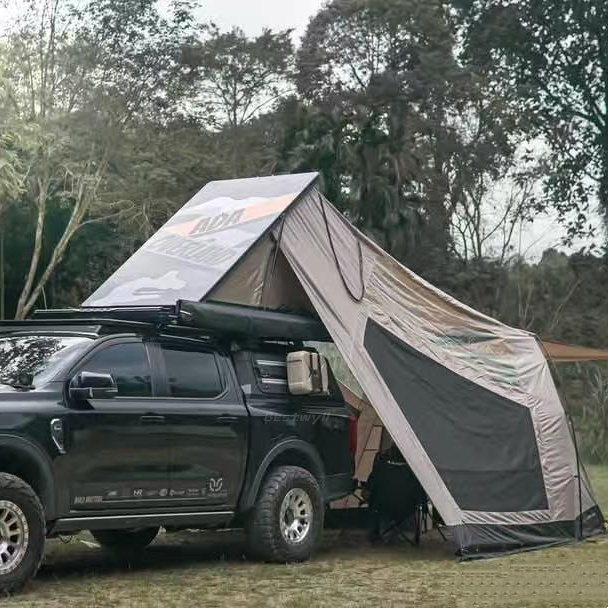
A Practical Guide for Pickup Truck Accessory Distributors, Wholesalers and Retailers
Rooftop tents have become an attractive product category in the pickup truck and overlanding accessory market. For distributors and retailers, combining a rooftop tent with an aluminum truck canopy creates an opportunity to offer customers a more complete outdoor travel solution.
However, installing a rooftop tent on an aluminum truck canopy requires more than simply placing the tent on top and tightening a few bolts. The canopy structure, cross bars, mounting hardware, tent weight, and vehicle limitations must all be considered before installation.
Can an aluminum truck canopy support a rooftop tent? Yes, provided that the canopy and its mounting system are specifically designed and rated for this application.
In this guide, we explain how to install a rooftop tent on an aluminum truck canopy, what buyers should check before installation, and how accessory dealers can choose a reliable canopy supplier. We will also introduce the Bestwyll Aluminum Truck Canopy as an option for distributors looking to expand their pickup truck accessory product range.
1. Can You Install a Rooftop Tent on an Aluminum Truck Canopy?
Yes. An aluminum truck canopy can provide a practical mounting platform for a rooftop tent when its roof structure, mounting points, and compatible cross bars are engineered for the intended load.
Compared with a basic truck bed cover, a properly designed aluminum canopy can offer additional functionality. It protects cargo inside the truck bed while creating an elevated platform for outdoor accessories.
A rooftop tent installation generally requires the following components:
- An aluminum truck canopy with suitable structural support
- Compatible cross bars or a roof rack system
- Manufacturer-approved mounting brackets and hardware
- A rooftop tent with compatible mounting rails
- A pickup truck with sufficient overall load capacity
From our perspective, the most important consideration is not whether a canopy is made from aluminum or steel. It is whether the complete structure has been designed to transfer loads safely through the mounting points and supporting framework.
A strong-looking canopy does not automatically mean it is suitable for a rooftop tent. Always confirm the manufacturer’s specifications before recommending this combination to customers.
2. Understand Dynamic Load and Static Load Before Installation
Before installing a rooftop tent, distributors and retailers should understand two important terms: dynamic load and static load.
Confusing these two ratings is one of the most common mistakes in rooftop tent sales and installation.
Dynamic Load: When the Vehicle Is Moving
Dynamic load refers to the weight a canopy or rack system can support while the pickup truck is driving.
During travel, the vehicle experiences acceleration, braking, cornering, road vibration, and bumps. These forces affect the mounting system, so the allowable dynamic load is usually lower than the static load.
For a rooftop tent installation, the total moving load should include:
- Rooftop tent
- Cross bars or roof rack
- Mounting brackets and hardware
- Other roof-mounted accessories
Static Load: When the Vehicle Is Parked
Static load refers to the load supported when the vehicle is stationary.
When the rooftop tent is opened, the load may include:
- Rooftop tent
- Cross bars and mounting system
- Occupants inside the tent
- Bedding and other permitted equipment
The static load rating is particularly important for camping applications because it determines whether the structure can support the permitted load while the vehicle is parked.
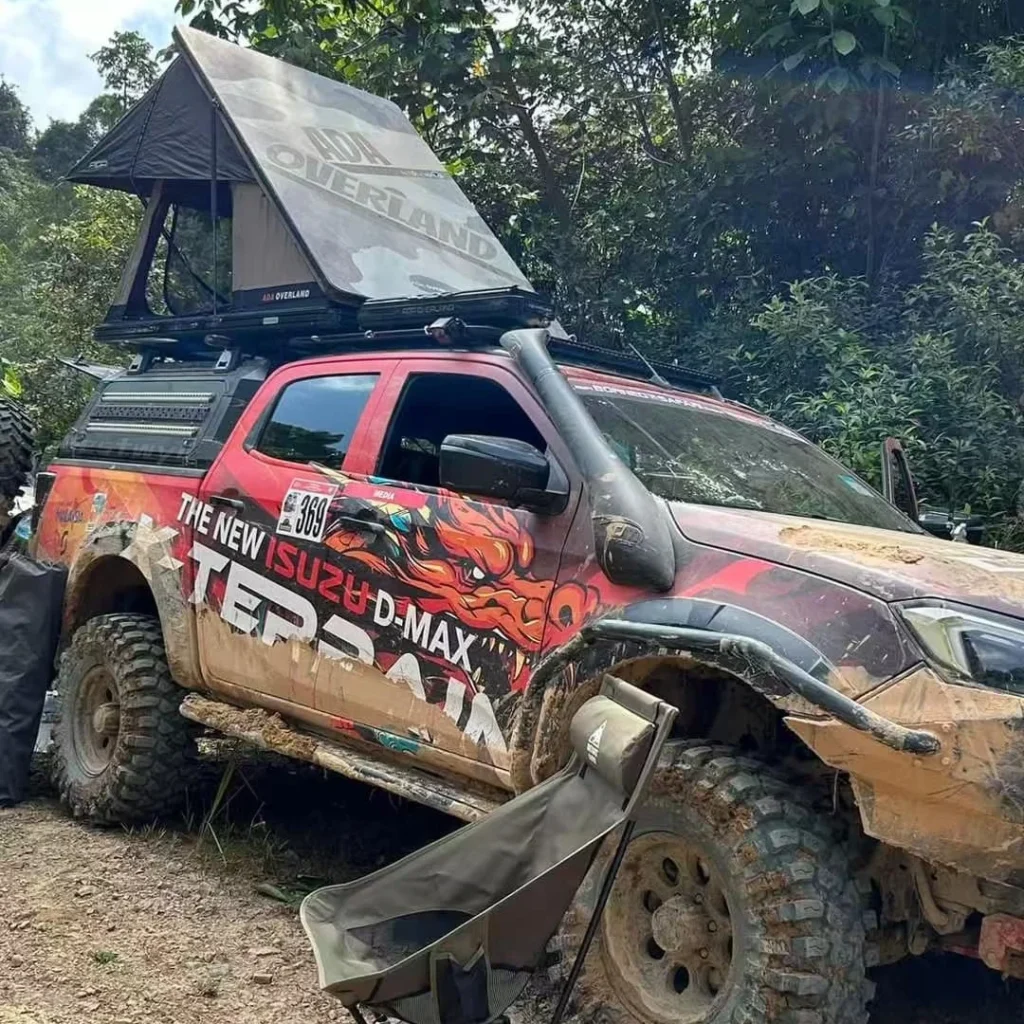
Bestwyll Aluminum Truck Canopy Load Capacity
Bestwyll Aluminum Truck Canopy features a stated dynamic roof load capacity of 180 kg and a static roof load capacity of 350 kg.
These specifications provide a useful starting point for evaluating rooftop tent applications. However, they are canopy ratings, not automatic approval for every tent and mounting combination.
The vehicle, cross bars, brackets, tent, and all relevant mounting components must also meet their own requirements. The lowest applicable rating or restriction governs the complete setup.
3. What Tools and Accessories Are Needed?
Before starting installation, prepare all necessary components. Having the correct mounting hardware and tools can make the process more efficient and reduce installation errors.
Typical tools and accessories include:
| Item | Purpose |
|---|---|
| Compatible cross bars | Support the rooftop tent |
| Mounting brackets | Connect the tent to the bars |
| Bolts, nuts and washers | Secure the mounting system |
| Measuring tape | Check bar spacing and tent position |
| Appropriate hand tools | Tighten mounting hardware |
| Torque wrench | Apply manufacturer-specified tightening torque |
| Installation instructions | Confirm the correct mounting procedure |
The exact hardware depends on the rooftop tent model and cross bar design.
In our experience, distributors should pay particular attention to the compatibility of the mounting brackets. Even when two products appear similar, their mounting channels, bar profiles, and fixing dimensions may be different.
It is better to confirm compatibility before shipping products than to deal with unnecessary returns or installation complaints later.
4. Step-by-Step: How to Install a Rooftop Tent on an Aluminum Truck Canopy
Once the canopy and mounting system have been confirmed as suitable, installation can begin.
Step 1: Check the Canopy and Vehicle Compatibility
Start by checking the pickup truck model, canopy specifications, and intended rooftop tent.
Confirm the following:
- Is the aluminum canopy designed for roof-mounted accessories?
- Does the manufacturer permit rooftop tent applications?
- Are compatible mounting tracks or fixing points available?
- Are the canopy’s dynamic and static load ratings documented?
- Does the vehicle have sufficient payload capacity for the complete setup?
Do not assume that every aluminum canopy can support a rooftop tent.
A canopy designed mainly for cargo protection may not have the structural reinforcement or mounting system required for this application.
Step 2: Install Compatible Cross Bars
Cross bars provide the connection between the canopy and the rooftop tent.
Before installing the bars, check:
- The mounting track and cross bar interface are compatible.
- The cross bar length matches the canopy roof width.
- The mounting feet fit the designated mounting points.
- The bar spacing meets the rooftop tent manufacturer’s requirements.
- The cross bar load rating is sufficient for the intended application.
If the canopy has integrated mounting tracks, use the compatible mounting feet and hardware specified by the manufacturer.
Avoid drilling additional holes into the canopy unless the manufacturer specifically approves that installation method. Unapproved modifications can compromise structural integrity and weather sealing.
Step 3: Measure the Rooftop Tent Mounting Position
Before lifting the tent, measure the required cross bar spacing.
Different rooftop tent models have different mounting rail positions and hardware requirements.
Check:
- Distance between the cross bars
- Position of the tent’s mounting channels
- Tent length and width
- Front and rear overhang
- Tent opening direction
- Clearance for the tailgate and other accessories
The correct spacing should follow the rooftop tent manufacturer’s installation instructions.
One detail that is often overlooked is the difference between tent size and mounting position. A tent may physically fit on top of a canopy but still have incompatible mounting rails or an unsuitable support arrangement.
Step 4: Lift the Rooftop Tent onto the Cross Bars
Rooftop tents can be heavy and difficult to position manually.
We recommend using at least two people, or suitable lifting equipment, depending on the tent’s size and weight.
Position the tent carefully so that:
- Its mounting rails align with the cross bars.
- The weight is distributed according to the tent manufacturer’s instructions.
- The tent does not exceed permitted front or rear overhang.
- The opening direction suits the vehicle and camping arrangement.
Avoid dragging the tent across the canopy roof, as this may scratch the surface or damage accessories.
Step 5: Secure the Mounting Brackets
Install the mounting brackets using the hardware approved for the tent and cross bar system.
Make sure:
- All brackets are correctly positioned.
- Bolts and nuts are fully engaged.
- Washers and locking components are installed as instructed.
- The mounting hardware does not interfere with the tent’s opening mechanism.
- The specified tightening torque is followed.
Do not overtighten bolts. Excessive tightening force may damage the mounting channel, brackets, or aluminum components.
If the tent manufacturer specifies a particular bolt size, torque, or mounting arrangement, follow those instructions rather than using a general-purpose installation method.
Step 6: Inspect the Complete Installation
After securing the rooftop tent, carefully inspect the entire setup.
Check the following:
- All mounting brackets are secure.
- Cross bars are correctly positioned.
- The tent is properly aligned.
- There is no visible deformation of the canopy or mounting components.
- The tent opens and closes correctly.
- The ladder can be positioned safely.
- The tailgate and other vehicle functions remain accessible.
Recheck all fasteners according to the manufacturer’s instructions, including any required checks after initial use.
Important: Do not use the static load rating as permission to drive with an overloaded tent system. The moving configuration must remain within the applicable dynamic limits.
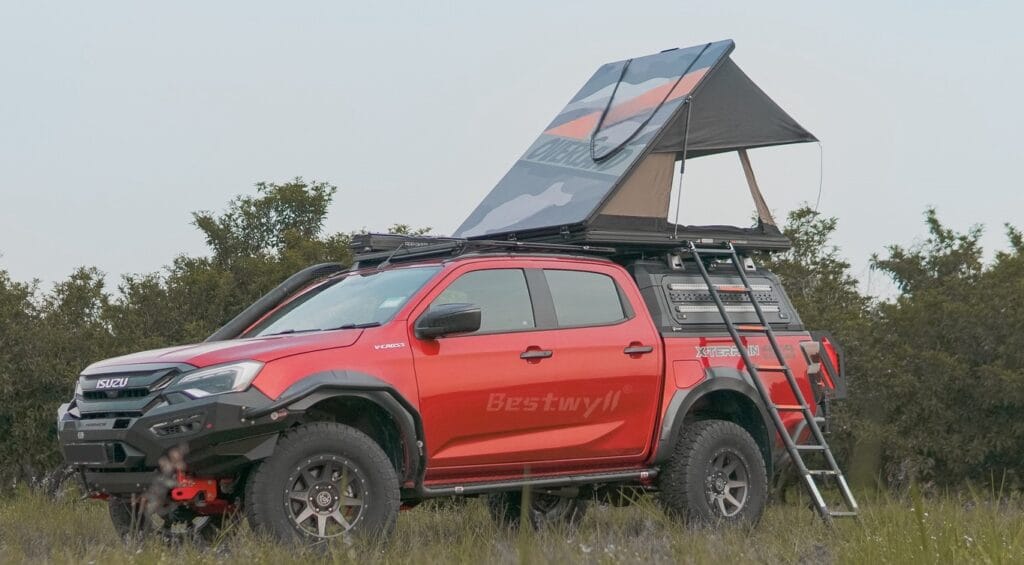
5. Bestwyll Aluminum Truck Canopy: A Practical Option for Distributors and Retailers
For distributors and retailers looking to expand their pickup truck accessory range, Bestwyll Aluminum Truck Canopy is worth considering.
Bestwyll focuses on pickup truck accessories and OEM/ODM manufacturing, providing product options for businesses that want to develop their own accessory lines or expand their existing product portfolio.
Key Product Advantages
1. Aluminum Construction
The aluminum structure provides a balance of lightweight design and practical strength for pickup truck applications.
2. 350 kg Static Load and 180 kg Dynamic Load
The canopy has a stated static roof load capacity of 350 kg and dynamic roof load capacity of 180 kg.
These ratings offer useful reference points when evaluating compatible rooftop tents, cross bars, and other roof accessories. The complete installation must still comply with every component’s applicable load limits.
3. Compatible Accessory Solutions
Depending on the selected configuration, the canopy can work with compatible cross bars and other outdoor accessories, helping retailers create more complete pickup truck solutions.
4. Thoughtful Panel Construction
The canopy uses an internal screw assembly approach on the top panel, avoiding exposed top-panel assembly screws and reducing potential water-entry points associated with exposed fasteners.
5. Practical Installation and Maintenance
The product is designed with convenient installation and maintenance in mind. Actual installation requirements depend on the pickup model and selected configuration.
6. Final Thoughts
Installing a rooftop tent on an aluminum truck canopy can create a practical outdoor setup for pickup truck owners. However, a successful installation depends on more than the canopy’s material or advertised load capacity.
Buyers should check the complete mounting system, confirm dynamic and static load ratings, use compatible cross bars, and follow the installation requirements of the canopy and tent manufacturers.
For wholesalers, distributors, and retailers, choosing a supplier with clear product specifications and reliable manufacturing support is equally important.
Bestwyll Aluminum Truck Canopy offers a practical option for businesses looking to expand their pickup truck accessory product range, with OEM/ODM services, aluminum construction, and clearly specified roof load ratings.
If you are looking for an aluminum truck canopy supplier for wholesale distribution or private-label projects, contact Bestwyll to discuss vehicle compatibility, product specifications, and customization options.