
What Material Makes a Tonneau Cover the Best
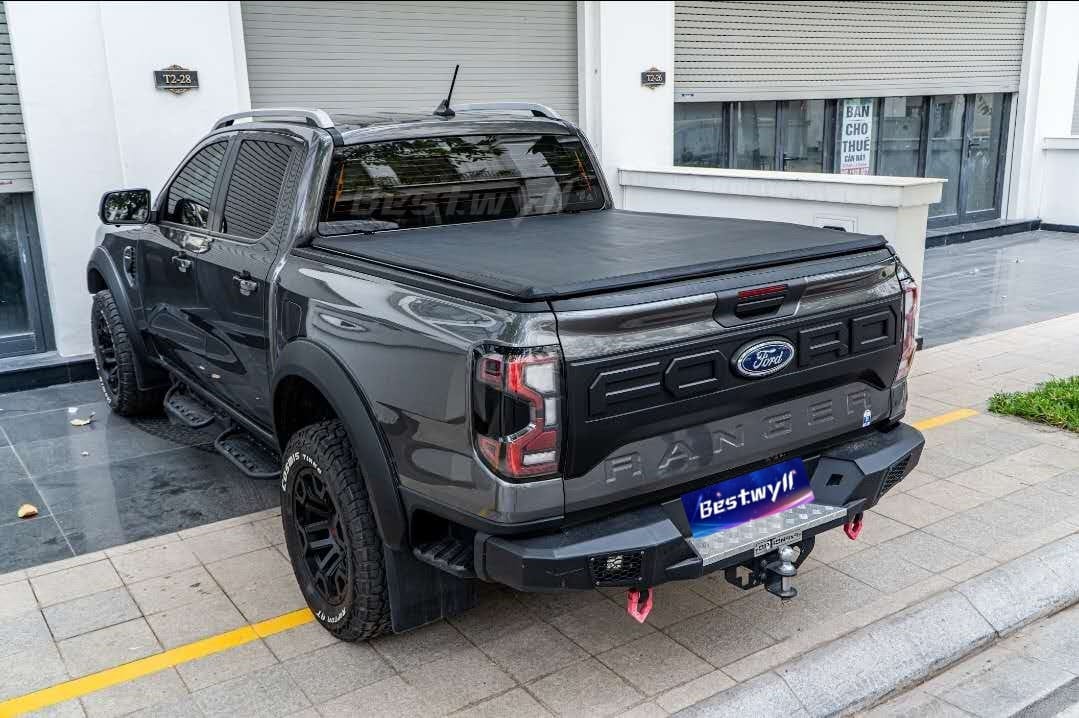
When choosing a tonneau cover, the material is one of the most important factors affecting durability, security, appearance, weight, maintenance, and selling price.
For truck accessory distributors and retailers, material selection is even more important. A cover that looks attractive in a catalog may not necessarily perform well in real-world conditions. Different markets also have different priorities. Some customers care most about price, while others are willing to pay more for durability, security, low-profile styling, or smart electric functions.
Common tonneau cover materials include:
- Vinyl
- Fiberglass
- Aluminum
- ABS or other rigid plastics
- Canvas
However, material alone does not determine the quality of a tonneau cover. The combination of material, structural design, sealing system, installation method, surface treatment, and manufacturing quality often has a greater impact on long-term performance.
From our experience with pickup truck accessories, aluminum has become one of the most practical materials for premium retractable and hard tonneau covers because it provides a useful balance between strength, weight, durability, and product versatility.
Let’s take a closer look at the major materials and what buyers should consider before placing a bulk order.
What Is the Best Material for a Tonneau Cover?
There is no single material that is automatically the best for every truck owner or every market.
The right material depends on the intended application.
| Material | Durability | Security | Weight | Weather Resistance | Price Level | Typical Application |
|---|---|---|---|---|---|---|
| Vinyl | Medium | Low-Medium | Light | Good | $ | Soft roll covers |
| Fiberglass | High | High | Heavy | Excellent | $$$ | Premium hard covers |
| Aluminum | High | High | Medium | Excellent | $$-$$$ | Retractable & hard covers |
| ABS Plastic | Medium-High | Medium-High | Light | Good | $$ | Rigid covers |
| Canvas | Medium | Low | Light | Good | $ | Soft covers |
For distributors, aluminum and engineered hard-cover materials are particularly interesting because they allow manufacturers to develop products across different price levels while maintaining a strong value proposition.
In our experience, the most important question is not simply “Which material is strongest?” but rather:
Which material provides the right combination of performance, cost, appearance, and market demand?
1. Vinyl Tonneau Covers
Vinyl is one of the most common materials used in soft tonneau covers.
Its popularity comes mainly from its low cost, lightweight construction, flexible appearance, and relatively simple installation.
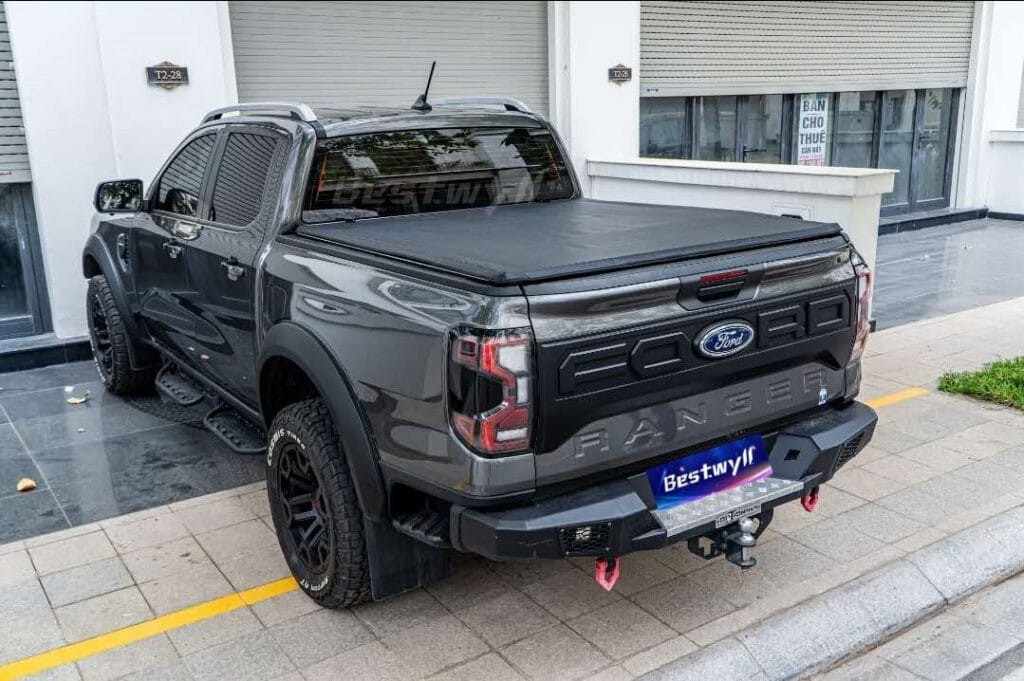
Advantages of Vinyl
Vinyl covers are attractive to price-sensitive customers because they can provide basic truck-bed protection without adding significant weight.
Key advantages include:
- Lightweight construction
- Affordable production cost
- Easy installation
- Easy opening and closing
- Good basic water resistance
- Flexible material
- Suitable for entry-level products
For retailers targeting customers who mainly need basic weather protection, vinyl can be a practical option.
Disadvantages of Vinyl
The biggest limitation is security.
Because vinyl is a soft material, it can generally be cut more easily than an aluminum or rigid hard cover. This makes it less suitable for customers who regularly carry expensive tools, equipment, or outdoor gear.
Vinyl can also become vulnerable to:
- UV exposure
- Extreme temperatures
- Scratches and abrasion
- Improper cleaning
- Long-term material aging
From a supplier-selection perspective, I would not recommend treating all vinyl covers as equivalent. Vinyl thickness, stitching, frame construction, sealing, and hardware quality can make a significant difference.
Best Market Position
Vinyl is particularly suitable for:
Entry-level → price-sensitive → basic weather protection
For distributors, it can be useful as an affordable product that complements a higher-end tonneau cover range.
2. A fiberglass truck bed
Fiberglass is a rigid material commonly associated with premium hard truck bed covers.
Its biggest strengths are appearance, rigidity, security, and load-bearing capability.

Advantages of Fiberglass
A well-designed fiberglass cover can provide:
- High rigidity
- Good security
- Premium appearance
- Strong weather protection
- Resistance to deformation
- Good load-bearing capability
Fiberglass can also provide a smooth surface that can be painted to match the vehicle.
For customers who prioritize appearance and security, this can be attractive.
Disadvantages of Fiberglass
The main disadvantage is weight.
Compared with soft covers and many aluminum constructions, fiberglass can be relatively heavy. This can make removal and installation less convenient for some users.
Production costs can also be higher, especially when customized painting and vehicle-specific molding are required.
Another consideration for distributors is logistics. A heavier and bulkier cover can increase packaging and shipping costs, which becomes important when purchasing in larger quantities.
Best Market Position
Fiberglass generally fits:
Premium appearance → rigid structure → higher security
It can work particularly well in markets where customers are willing to pay more for vehicle-matched styling.
3. Aluminum Tonneau Covers
Aluminum is one of the most versatile materials used in modern tonneau covers.
It can be used for retractable covers, folding covers, roll-up systems, and other hard-cover constructions.
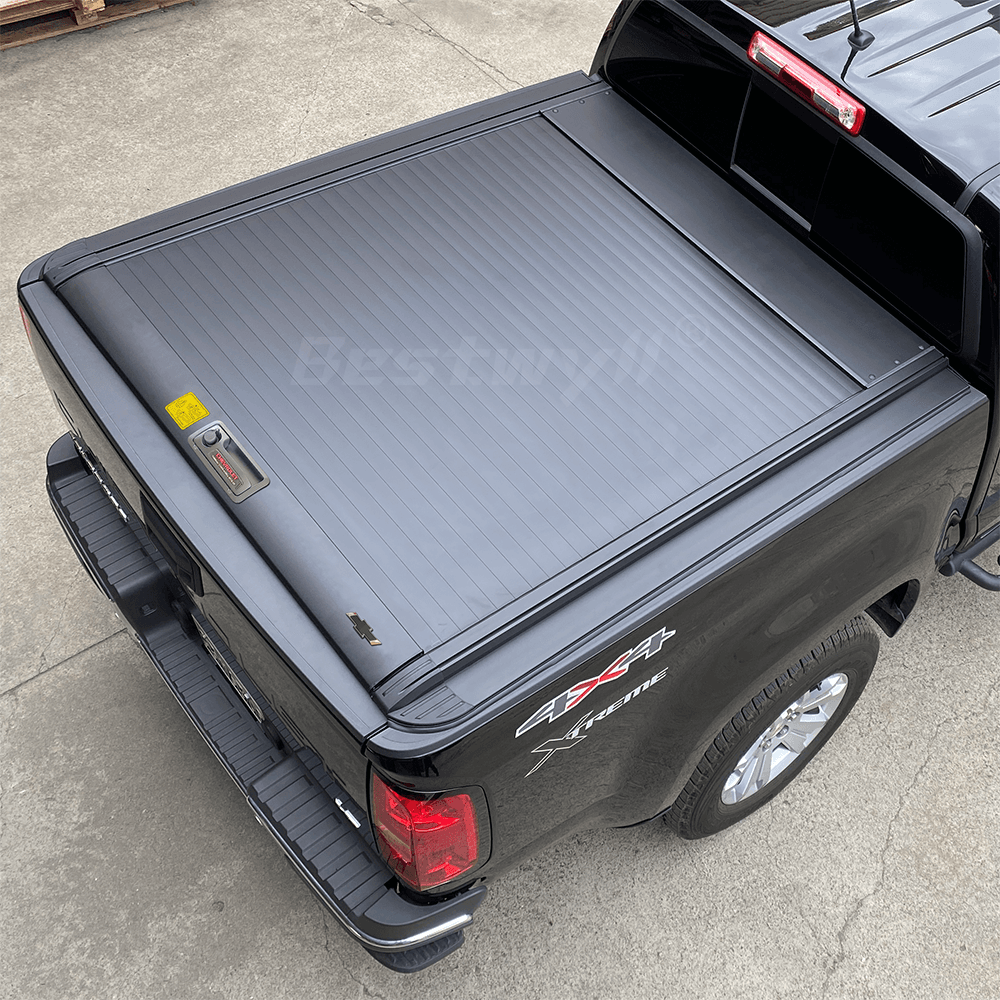
The biggest reason aluminum is attractive is the balance between strength and relatively low weight.
Why Is Aluminum Popular for Tonneau Covers?
Aluminum provides several advantages:
- High structural strength
- Good durability
- Relatively lightweight
- Corrosion resistance when properly treated
- Suitable for retractable mechanisms
- Suitable for folding structures
- Premium appearance
- Compatible with accessory systems
For retractable tonneau covers, aluminum slats or panels can provide the rigidity needed to protect cargo while allowing the cover to roll into a compact storage position.
Aluminum vs. Fiberglass
One common mistake when comparing materials is looking only at strength.
Fiberglass can provide excellent rigidity, but aluminum has a major practical advantage in applications where the cover needs to move, retract, fold, or integrate with other accessories.
For example, a retractable aluminum cover can be designed to work with:
- Truck racks
- Cross bars
- Ladder racks
- Outdoor cargo systems
- Camping equipment
This flexibility is especially valuable for distributors because one product platform can serve multiple customer applications.
A Potential Disadvantage of Aluminum
Aluminum can dent more easily than some rigid composite materials when exposed to strong localized impacts.
However, this does not necessarily make an aluminum tonneau cover unsuitable for demanding applications.
In our experience, the thickness of the aluminum, internal structure, panel design, surface treatment, and manufacturing quality matter just as much as the material itself.
Therefore, buyers should evaluate the complete construction rather than simply asking whether a cover is “aluminum.”
4. Hard Plastic Tonneau Covers
Rigid plastic is another popular material for truck bed covers.
ABS plastic and other engineered plastics can be molded into different shapes and structures, making them suitable for rigid or folding tonneau covers.

Advantages of Hard Plastic
Plastic covers can offer:
- Low weight
- Good impact resistance
- Relatively low production cost
- Consistent molded appearance
- Easy maintenance
- Suitable for rigid structures
For customers who want a hard cover without the weight of some traditional materials, engineered plastic can be a practical choice.
The quality gap between different plastic covers can be significant.
A low-cost plastic cover may look good when new but perform differently after long-term exposure to sunlight, heat, cold, and repeated opening and closing.
5. Canvas Tonneau Covers
Canvas is another option for soft truck bed covers.
Compared with basic vinyl, canvas can provide a different combination of flexibility, abrasion resistance, and outdoor durability.

Advantages
Canvas can offer:
- Lightweight construction
- Flexible installation
- Good abrasion resistance
- Good UV resistance
- Affordable pricing
- Easy handling
It can be suitable for customers who prioritize flexibility and basic cargo protection.
Disadvantages
Maintenance is one of the main concerns.
Fabric-based materials can collect:
- Dust
- Mud
- Moisture
- Road debris
If they remain wet for extended periods, improper maintenance can also contribute to mold or mildew problems.
For this reason, canvas products may require more regular care than rigid aluminum covers.
What Material Is Best for Security?
If cargo security is a major concern, soft vinyl and canvas covers generally provide less physical resistance to cutting than rigid covers.
Hard materials such as:
- Aluminum
- Fiberglass
- Rigid plastic
can provide a stronger physical barrier.
However, security does not depend on material alone.
A retailer should also evaluate:
- Locking mechanism
- Cover structure
- Side rails
- Tailgate interaction
- Internal reinforcement
- Whether the cover can be easily lifted or removed
For customers carrying professional tools or valuable equipment, these details can be more important than the material name printed on the product specification sheet.
What Material Is Best for Retractable Tonneau Covers?
For retractable tonneau covers, aluminum is particularly suitable because it combines structural strength with the ability to form segmented panels or slats.
A retractable design can provide several advantages:
- Easy opening and closing
- Compact storage
- Low-profile appearance
- Better cargo flexibility
- Hard-cover protection
- Compatibility with selected truck accessories
From a product-development perspective, aluminum also gives manufacturers more flexibility when developing different cover configurations.
This makes aluminum retractable covers particularly interesting for distributors looking to build a mid-range to premium product portfolio.
Why Aluminum Tonneau Covers Are Becoming an Important Product Category
From a B2B perspective, aluminum offers something that is particularly valuable: product flexibility.
An aluminum tonneau cover can be developed around different configurations, including:
- Manual retractable
- Electric retractable
- Folding
- Roll-up
- Low-profile designs
It can also be integrated with other pickup accessories.
For example, a retractable tonneau cover can potentially work together with a truck rack or heavy-duty cross bar, allowing pickup owners to protect cargo inside the bed while carrying bicycles, camping equipment, or other oversized outdoor gear above the bed.
This makes the product more than just a truck bed cover.
It becomes part of a larger pickup cargo management system.
For distributors, that creates opportunities to sell complementary accessories rather than treating each product as a standalone item.