
Avantages des couvre-bennes pliables par rapport aux couvre-bennes enroulables
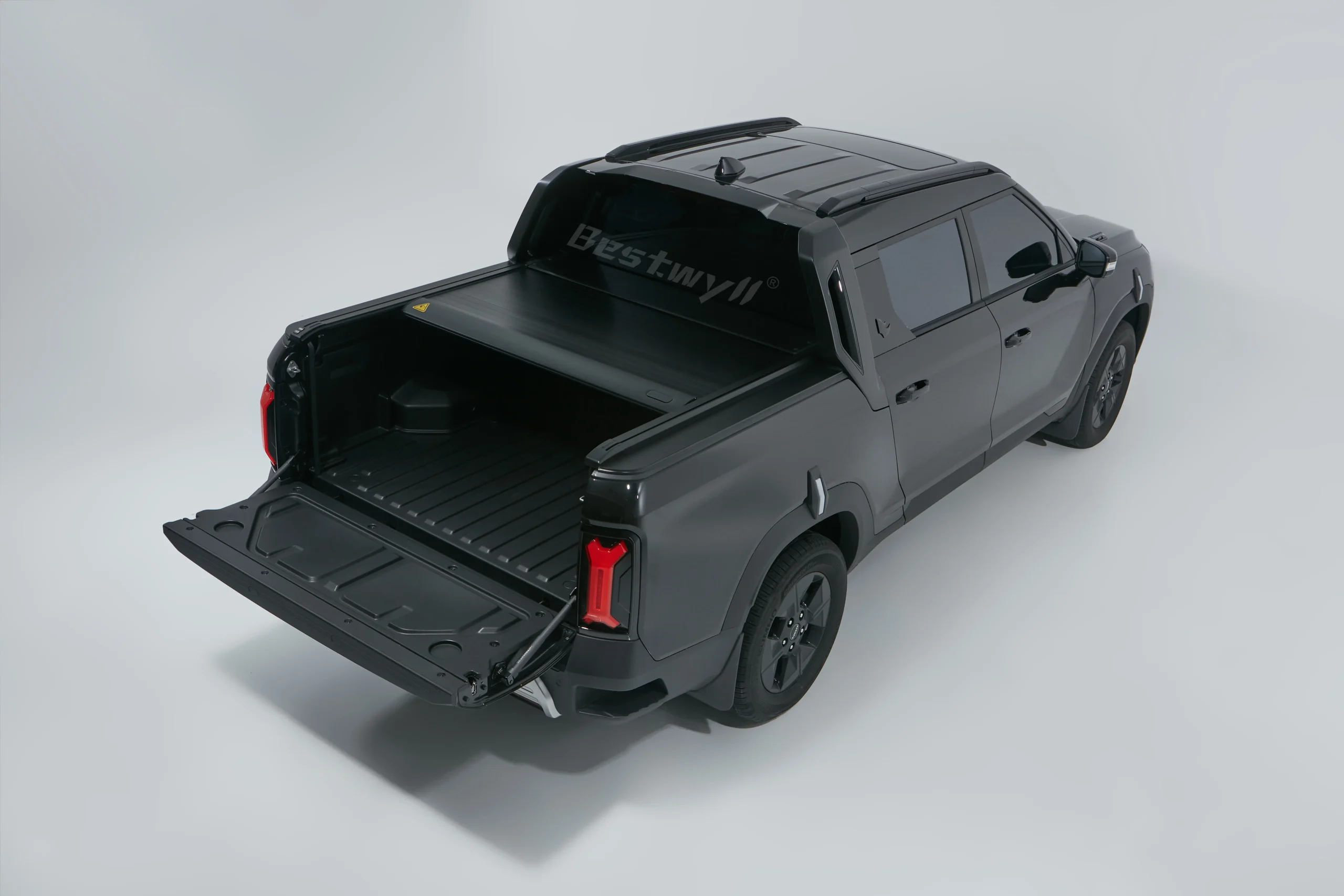
Advantages of Folding Tonneau Covers: A Comprehensive Comparison with Roll-Up Options
When it comes to protecting your truck bed from the elements and enhancing security, tonneau covers are a popular choice among truck owners. The advantages of folding tonneau covers stand out for those seeking versatility and quick access to their cargo. Unlike traditional covers, folding designs allow for partial or full bed exposure in seconds, making them ideal for frequent loading and unloading. This article explores the key advantages of folding tonneau covers while contrasting them with the advantages of roll up tonneau covers to help you decide which best suits your needs.
Quick and Easy Accessibility: Where Folding Covers Excel
One of the primary advantages of folding tonneau covers is their superior accessibility. These covers typically consist of hinged panels that fold up toward the cab, either in sections or entirely, providing unobstructed access to the entire truck bed. For instance, if you’re at a job site and need to grab tools quickly, you can simply lift the front panel without rolling or unfastening anything. This contrasts sharply with the advantages of roll up tonneau covers, which require you to retract the entire cover by rolling it up along tracks. While roll-up covers offer a sleek, streamlined look when closed, the rolling mechanism can be slower and more cumbersome, especially in tight spaces or bad weather. Folding covers, on the other hand, save time and effort, making them a favorite for contractors, outdoor enthusiasts, and anyone who values efficiency over aesthetics alone.
In terms of user experience, folding tonneau covers provide a more intuitive operation. Most models feature gas struts or latches that make folding smooth and secure, reducing the physical strain compared to cranking a roll-up cover. However, roll-up covers do have their own accessibility perks, such as the ability to partially roll back for smaller loads without exposing the whole bed. This can be advantageous for light-duty tasks where full access isn’t necessary. Yet, for heavier or bulkier items, the folding design’s ability to open fully without sagging or bunching fabric gives it a clear edge in practicality.
Durability and Weather Resistance: A Balanced Comparison
Durability is another area where the advantages of folding tonneau covers shine, particularly in rigid or semi-rigid models made from aluminum or reinforced vinyl. These covers are built to withstand impacts, such as branches during off-road adventures, without denting easily. The folding mechanism, while adding a few moving parts, is engineered with corrosion-resistant materials, ensuring longevity even in harsh climates. In contrast, the advantages of roll up tonneau covers often lie in their flexibility; soft vinyl or canvas materials allow them to conform to the bed’s contours and resist tearing from wind or debris. Roll-ups are lighter and less prone to rust since they lack metal hinges, which can be a boon in coastal areas with high salt exposure.
Weather resistance further highlights the differences. Folding covers, especially hard-top versions, provide excellent protection against rain, snow, and UV rays, often featuring seals that prevent water intrusion better than fabric-based alternatives. This makes them superior for long-term storage of sensitive cargo like electronics or camping gear. Roll-up covers, while effective at keeping out moisture when properly tensioned, can sometimes sag over time, leading to pooling water or leaks at the edges. However, their roll-up design allows for better ventilation when partially open, which might appeal to users transporting perishable goods. Overall, if ultimate weatherproofing is your priority, folding tonneau covers offer more robust defense, though roll-ups provide a cost-effective alternative for moderate protection needs.
Security Features: Locking Mechanisms and Theft Deterrence
Security is a critical consideration for truck owners, and here, the advantages of folding tonneau covers include integrated locking systems that secure each panel independently. Many models sync with your truck’s key fob or offer tailgate synchronization, making it nearly impossible for thieves to access your load without the proper key. This modular locking enhances peace of mind, as you can lock just the rear section while folding the front for partial use. Comparatively, the advantages of roll up tonneau covers center on their taut, continuous barrier that deters casual prying. The rolled-up section, when secured at the front, is compact and hard to tamper with, often featuring auto-tensioning to maintain tightness.
That said, folding covers can sometimes be more vulnerable if not locked properly, as individual panels might be targeted. Roll-ups, with fewer seams, present a smoother surface that’s harder to grip for break-ins. Yet, high-end folding models counter this with reinforced latches and alarms, tipping the scale toward greater security. For urban drivers or those hauling valuables, the customizable locking of folding covers provides a strategic advantage over the all-or-nothing approach of roll-ups.
Aesthetics and Customization: Style Meets Functionality
Aesthetically, folding tonneau covers offer a modern, angular look that complements trucks with a rugged vibe. Available in matte black, silver, or painted finishes, they can be customized to match your vehicle’s style, adding a premium feel without sacrificing utility. The folded position creates a raised platform behind the cab, useful for extra storage or even mounting accessories like racks. In contrast, the advantages of roll up tonneau covers include their low-profile design, which preserves the truck’s original silhouette and improves aerodynamics for better fuel efficiency. Roll-ups in glossy or textured fabrics blend seamlessly, appealing to those who prioritize a clean, factory-like appearance.
Customization options also differ: folding covers often support add-ons like cargo organizers or LED lights integrated into the panels, enhancing versatility. Roll-ups, being fabric-based, allow for easier color swaps or embroidery but lack the structural support for heavy modifications. If you’re into personalizing your ride, folding covers provide more room for creativity, though roll-ups win for minimalists seeking simplicity.
Cost and Installation: Weighing Value for Money
Finally, let’s compare costs and ease of installation. The advantages of folding tonneau covers include their mid-range pricing, offering high value for the durability and features provided—typically $500 to $1,200 depending on material. Installation is straightforward, often requiring basic tools and taking under an hour, with no drilling needed for clamp-on models. Roll-up covers, starting at around $300, are generally cheaper and even simpler to install, appealing to budget-conscious buyers. Their vinyl construction keeps maintenance low, but replacements might be needed sooner due to wear.
However, the long-term savings with folding covers—thanks to their sturdier build—often outweigh the initial affordability of roll-ups. For frequent users, the investment in a folding cover pays off through reduced hassle and better protection. In essence, while roll-up covers suit casual or entry-level needs, folding tonneau covers deliver premium advantages for serious truck applications.
In summary, the advantages of folding tonneau covers lie in their unmatched accessibility, robust durability, and versatile security, making them a top pick for dynamic lifestyles. When pitted against the advantages of roll up tonneau covers, which excel in affordability and sleek design, the choice boils down to your usage patterns. Whether you’re hauling heavy loads or just need basic coverage, understanding these contrasts ensures you select the perfect fit for your truck.
 French
  English
  Chinese
  German
  Japanese
  Korean
  Russian
  Turkish