
未分类

How to Remove a Truck Canopy by Yourself: A Step-by-Step Guide

A truck canopy is one of the most practical upgrades for a pickup, providing secure storage, weather protection, and additional cargo space. However, there are times when you may need to remove it—whether you’re transporting oversized cargo, performing vehicle maintenance, or switching to another accessory like a tonneau cover or truck rack.

The good news is that you can remove a truck canopy by yourself, but whether you should depends on the canopy’s size, weight, and your available equipment.

From our experience in the pickup accessories industry, many truck owners underestimate the weight of a canopy. While smaller fiberglass or aluminum canopies can sometimes be removed by one person using the right tools, larger models are much safer to remove with assistance.

In this guide, we’ll explain how to remove a truck canopy safely, what tools you’ll need, and when it’s better to ask for help.

Can You Remove a Truck Canopy Alone?

The answer is yes—but only under certain conditions.

If your canopy is:

  • Lightweight aluminum
  • Mounted with clamps instead of permanent bolts
  • Empty inside
  • Equipped with lifting equipment

then one person may be able to remove it safely.

However, if the canopy:

  • Is made from heavy fiberglass
  • Has roof racks or rooftop tents installed
  • Includes electrical wiring
  • Weighs over 80–100 kg (175–220 lbs)

we strongly recommend having at least one helper.

In our opinion, safety should always take priority over convenience. Saving a few minutes isn’t worth risking damage to your vehicle—or an injury.

Tools You May Need

Before starting, prepare the following:

  • Socket wrench set
  • Screwdrivers
  • Adjustable wrench
  • Work gloves
  • Protective blankets or foam pads
  • Step stool (if needed)
  • Moving dolly or furniture cart (optional)
  • Portable lifting hoist or garage ceiling hoist (optional)

If your canopy has interior lighting or a central locking system, you’ll also need to disconnect the electrical connections before lifting it off.

Step 1: Empty the Canopy

Remove everything stored inside, including:

  • Tools
  • Camping gear
  • Storage boxes
  • Roof cargo
  • Roof tents
  • Crossbars (if possible)

This reduces weight and prevents items from shifting during removal.

From our experience, people often forget that even a few heavy toolboxes can add significant weight.

Step 2: Disconnect Electrical Components

Many modern canopies include:

  • LED interior lights
  • Brake lights
  • Central locking systems
  • Power outlets

Disconnect the battery if necessary and carefully unplug any wiring harnesses.

Never pull wiring forcefully, as replacement harnesses can be expensive.

Step 3: Remove the Mounting Clamps or Bolts

Most truck canopies are secured using:

Clamp-On Mounting

Usually four to six heavy-duty clamps attach the canopy to the bed rails.

Bolt-On Mounting

Some commercial or fleet installations use permanent bolts.

Remove all mounting hardware carefully and keep it organized for future installation.

Inspect each mounting point for corrosion or damage before reassembly later.

Step 4: Lift the Canopy Carefully

This is the most important step.

If you’re working alone, consider using:

  • A garage ceiling hoist
  • An engine hoist
  • A pulley lifting system
  • A portable gantry crane

Lift the canopy slowly and evenly to avoid twisting the frame.

Never drag the canopy across the truck bed, as this may scratch both the canopy and the vehicle.

From our observation, improper lifting causes more damage than incorrect installation.

Step 5: Store the Canopy Properly

After removal, place the canopy on:

  • Foam blocks
  • Wooden supports
  • A padded storage rack

Avoid placing it directly on concrete.

Store it in a dry location away from prolonged sunlight.

This helps prevent:

  • Surface scratches
  • Seal deformation
  • Moisture damage

Common Mistakes to Avoid

Trying to Lift a Heavy Canopy Without Assistance

This is probably the most common mistake.

Even lightweight aluminum canopies can become awkward because of their size.

Weight isn’t the only challenge—balance is equally important.


Forgetting Electrical Connections

Many people start lifting before disconnecting the wiring.

This can damage:

  • LED lights
  • Wiring harnesses
  • Connectors

Always double-check before lifting.


Losing Mounting Hardware

Store all clamps, bolts, washers, and brackets in labeled bags.

Replacing specialty mounting hardware later can be surprisingly difficult.


Resting the Canopy on Its Side

Canopies should remain in their normal upright position whenever possible.

Improper storage may damage:

  • Windows
  • Gas struts
  • Door alignment
  • Roof structure

Should You Remove the Canopy Frequently?

In our opinion, frequent removal isn’t ideal.

Although most modern canopies are designed for easy installation and removal, repeatedly taking them on and off can:

  • Wear out seals
  • Loosen mounting hardware
  • Increase the risk of scratches
  • Affect long-term alignment

If you regularly switch between open-bed hauling and covered storage, another option may better suit your needs.

For example, many pickup owners choose a retractable aluminum truck bed cover, which provides secure cargo protection while allowing fast access to the truck bed without removing the entire system.

For users who occasionally need additional carrying capacity, combining a retractable cover with compatible rack systems can offer more flexibility than repeatedly removing a canopy.

Choosing the Right Canopy Makes Future Maintenance Easier

Not all canopies are designed with maintenance in mind.

When selecting a canopy, consider features such as:

  • Lightweight aluminum construction
  • Clamp-on installation
  • Vehicle-specific fitment
  • Easy-access mounting hardware
  • Durable weather seals
  • High-quality gas struts

From our experience, well-engineered canopies save significant time during installation, removal, and routine maintenance.

Manufacturers that specialize in pickup accessories often pay more attention to these practical details than companies producing general automotive products.

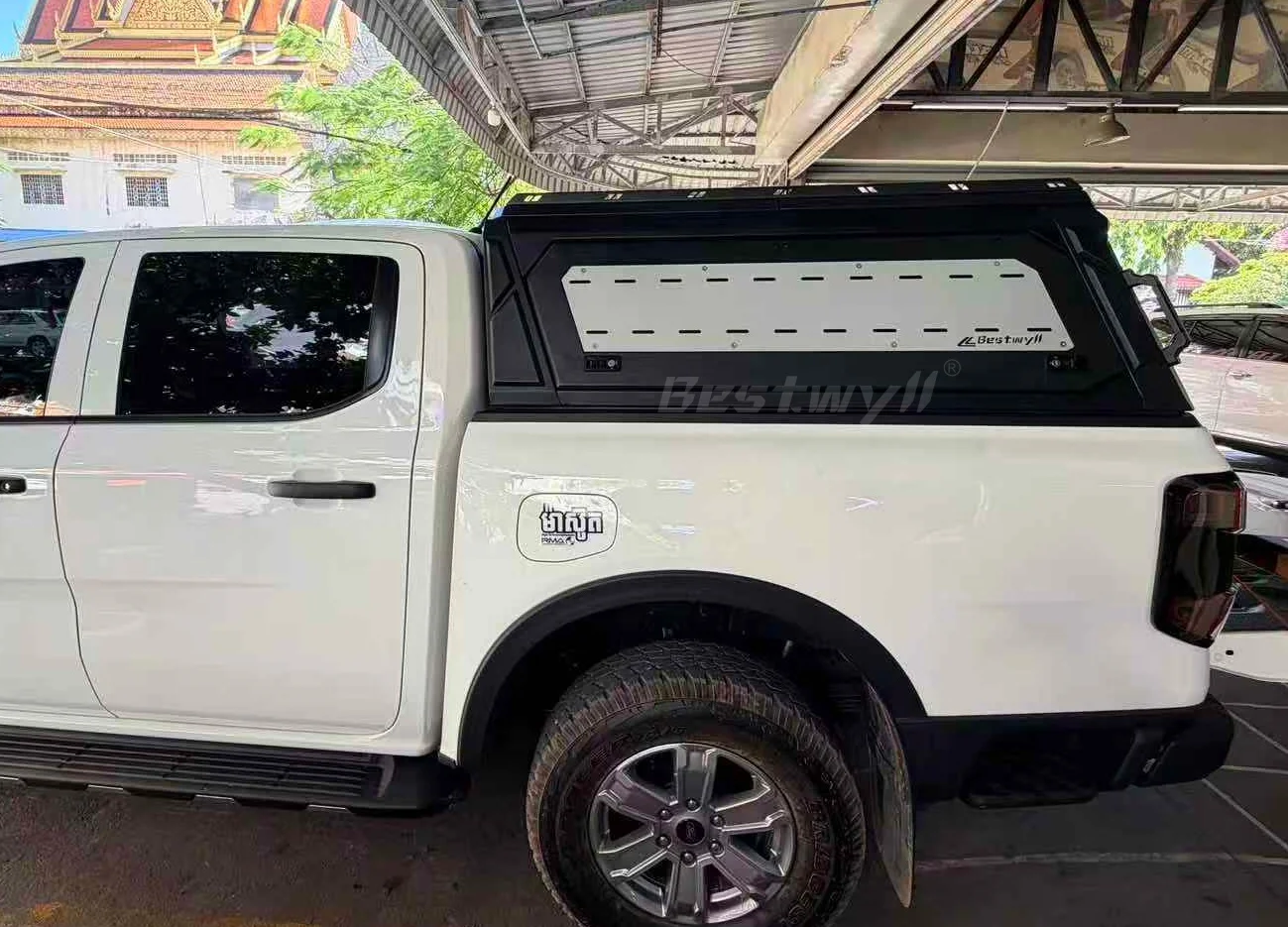
For example, Bestwyll offers pickup accessories including aluminum canopies, retractable truck bed covers, and truck racks designed with OEM/ODM manufacturing standards. Their emphasis on lightweight construction and vehicle-specific engineering reflects the industry’s move toward products that are easier to install, maintain, and use over the long term.

Summary

Removing a truck canopy by yourself is possible, but success depends on preparation, proper equipment, and realistic expectations.

From our experience, lightweight aluminum canopies with clamp-on mounting systems are much easier to remove than older fiberglass designs. Even so, using lifting equipment—or asking for assistance—is often the safest approach.

Whether you’re removing a canopy for maintenance, transporting oversized cargo, or upgrading your pickup, taking the time to protect both the canopy and your vehicle will help extend the life of your investment.

If you’re shopping for a new canopy, choosing a lightweight, well-engineered design from a specialized manufacturer such as Bestwyll Pickup Accessories Manufacturer can make future installation, removal, and everyday use considerably more convenient.

发表回复