未分类

Choosing the Best Truck Canopy: Fiberglass vs. Aluminum

Understanding the Basics of Truck Canopies: Fiberglass vs. Aluminum Models

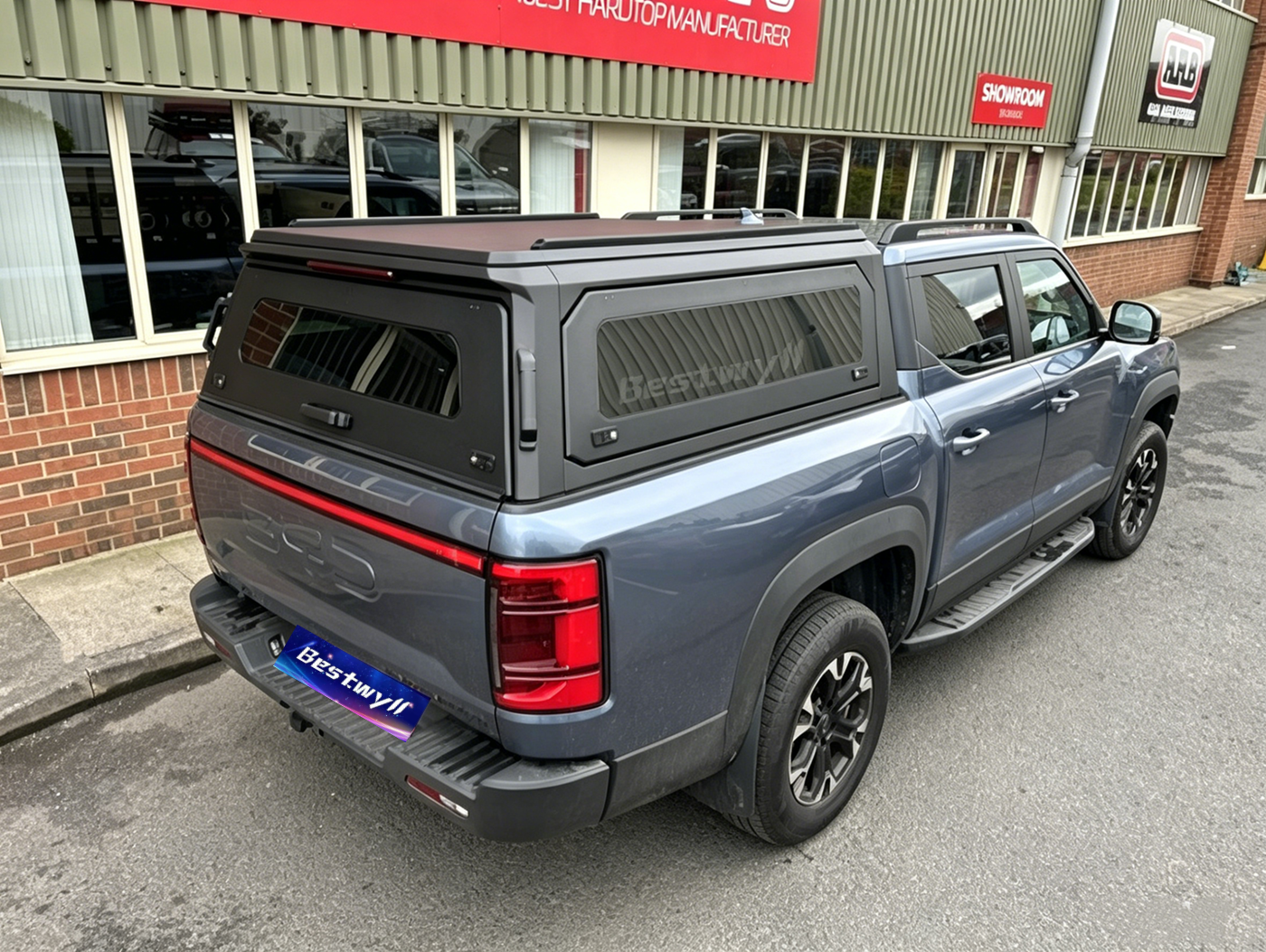
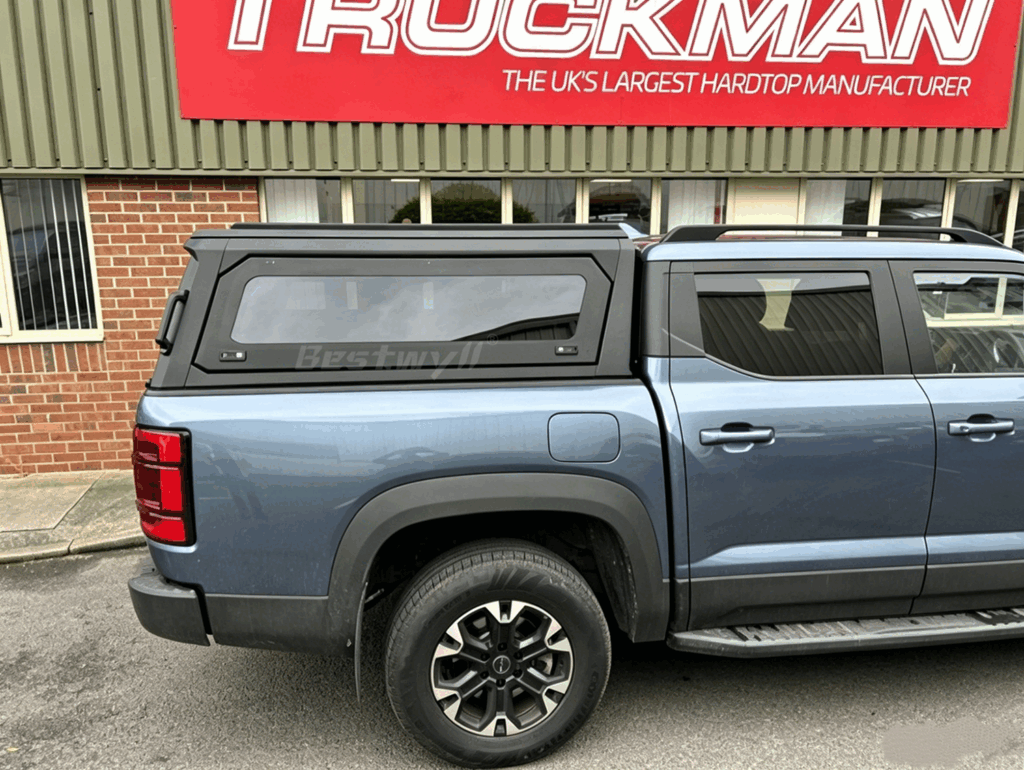
When it comes to enhancing the utility of your pickup truck, a truck canopy stands out as a versatile accessory that can transform your vehicle into a mobile workspace or adventure-ready hauler. Unlike basic tonneau covers, a truck canopy provides full enclosure, offering superior protection for cargo against weather elements and theft. In this comparison-focused exploration, we’ll delve into the key differences between popular materials like fiberglass and aluminum truck canopies, highlighting their strengths, weaknesses, and ideal applications to help you make an informed decision.

Fiberglass truck canopies have long been a favorite among truck owners for their smooth, aerodynamic design and lightweight construction. These canopies are molded from reinforced plastic, which allows for custom shapes that seamlessly integrate with various truck bed sizes. On one hand, fiberglass offers excellent insulation properties, keeping your load cooler in summer and warmer in winter compared to metal alternatives. It’s also less prone to denting from minor impacts, making it suitable for off-road enthusiasts who navigate rough terrains. However, fiberglass can be more expensive due to the manufacturing process, and it may require more maintenance to prevent yellowing from UV exposure. In contrast, aluminum truck canopies bring a rugged, industrial appeal with their metallic sheen and exceptional durability. Aluminum is inherently resistant to rust, a significant advantage in humid or coastal environments where corrosion could plague other materials.

Durability and Weather Resistance: How Materials Stack Up

Durability is a critical factor when choosing a truck canopy, and here the comparison between fiberglass and aluminum reveals stark differences. Aluminum models excel in high-impact scenarios; their strength-to-weight ratio means they can withstand heavy loads on the roof without buckling, which is ideal for contractors carrying tools or campers mounting gear. Unlike fiberglass, which might crack under extreme pressure, aluminum bends but rarely breaks, offering longevity that can span decades with proper care. On the flip side, fiberglass provides better resistance to cracking from temperature fluctuations—aluminum can expand and contract more noticeably in extreme heat or cold, potentially leading to seam issues over time.

Weather resistance further underscores these material contrasts. A fiberglass truck canopy often features a gel-coated surface that repels water and UV rays effectively, maintaining its appearance longer than untreated aluminum. However, if not sealed properly, aluminum can develop leaks at joints, though modern designs incorporate advanced weatherproofing like rubber gaskets and drainage channels. In rainy climates, both perform well, but aluminum’s conductivity makes it less ideal for areas with frequent lightning storms compared to the non-conductive fiberglass. Overall, if your truck sees heavy daily use in construction or farming, aluminum’s toughness edges out fiberglass; for recreational use where aesthetics matter, fiberglass might be the winner.

Installation and Customization: Ease of Setup and Personalization Options

The installation process for a truck canopy can make or break your purchasing decision, and comparing fiberglass to aluminum highlights varying levels of complexity. Fiberglass canopies typically arrive pre-assembled, bolting directly onto the truck bed with minimal tools required—often a DIY project for handy owners. This ease contrasts with aluminum models, which might involve more welding or riveting for custom fits, potentially necessitating professional installation to ensure structural integrity. Weight is another differentiator: fiberglass units are lighter, reducing strain on your truck’s suspension, whereas aluminum, though still manageable, adds more heft that could affect fuel efficiency.

Customization possibilities abound with both, but they cater to different preferences. Fiberglass allows for painted finishes that match your truck’s color, providing a sleek, factory-like look that’s harder to achieve with aluminum’s raw metallic vibe. Aluminum, however, offers greater modularity—many models include modular panels for adding windows, vents, or even solar panels, making it more adaptable for specialized needs like mobile workshops. In terms of cost, entry-level fiberglass truck canopies start around $1,500, while aluminum can range from $1,200 to $3,000 depending on features. Budget-conscious buyers might lean toward aluminum for its value, but those seeking a premium, low-maintenance option could prefer fiberglass despite the higher upfront cost.

Cost-Benefit Analysis: Weighing Long-Term Value

Evaluating the cost-benefit ratio involves looking beyond initial prices to long-term ownership. Fiberglass truck canopies often justify their premium through reduced repair needs; scratches can be buffed out easily, and the material doesn’t corrode, potentially saving hundreds in maintenance over years. Conversely, aluminum’s lower starting price appeals to value-driven buyers, and its recyclability adds an eco-friendly angle—it’s a material that’s 100% recyclable without losing quality. However, aluminum might incur higher costs for customizations or repairs if dents occur, whereas fiberglass’s molded design limits such issues.

In security terms, both enhance protection, but aluminum’s solidity makes it tougher to breach, deterring thieves better than the somewhat flexible fiberglass. For fuel economy, the lighter fiberglass wins, potentially improving mileage by 1-2 MPG on long hauls. Environmentally, aluminum’s sustainability edges out fiberglass, which relies on petroleum-based resins. Ultimately, the choice boils down to your lifestyle: opt for fiberglass if style and ease are priorities; choose aluminum for raw strength and affordability. Whether hauling gear for work or weekend getaways, a well-chosen truck canopy elevates your truck’s functionality, ensuring your investments remain secure and accessible.

Real-World Applications: Choosing the Right Canopy for Your Needs

Applying these comparisons to real-world scenarios clarifies the decision-making process. For urban commuters or weekend warriors, a fiberglass truck canopy offers the perfect blend of aesthetics and practicality, shielding bikes or camping equipment from city rain without overwhelming the vehicle’s look. In contrast, rural or industrial users benefit from aluminum’s resilience—think farmers transporting livestock feed through mud or builders carting heavy machinery over bumpy roads, where the canopy’s sturdiness prevents damage.

User testimonials often echo these points: one off-roader praised fiberglass for its quiet ride and non-corrosive nature after years in salty beach conditions, while a contractor lauded aluminum for surviving a hailstorm unscathed. Both types support add-ons like interior lighting or shelving, but aluminum’s frame better accommodates heavier modifications. As electric trucks gain popularity, compatibility becomes key—fiberglass’s lighter weight pairs well with battery efficiency, reducing range anxiety, whereas aluminum’s conductivity requires careful wiring to avoid electrical issues.

In conclusion, the debate between fiberglass and aluminum truck canopies boils down to balancing style, durability, and budget. Fiberglass shines in versatility and maintenance ease, ideal for those prioritizing a polished appearance. Aluminum counters with unbeatable toughness and cost-effectiveness, suiting demanding professional use. By weighing these contrasts against your specific driving habits and cargo needs, you’ll select a truck canopy that not only protects your belongings but enhances your overall trucking experience, making every journey more reliable and enjoyable.

发表回复