
Aluminum Truck Racks Reshaping Modern Logistics
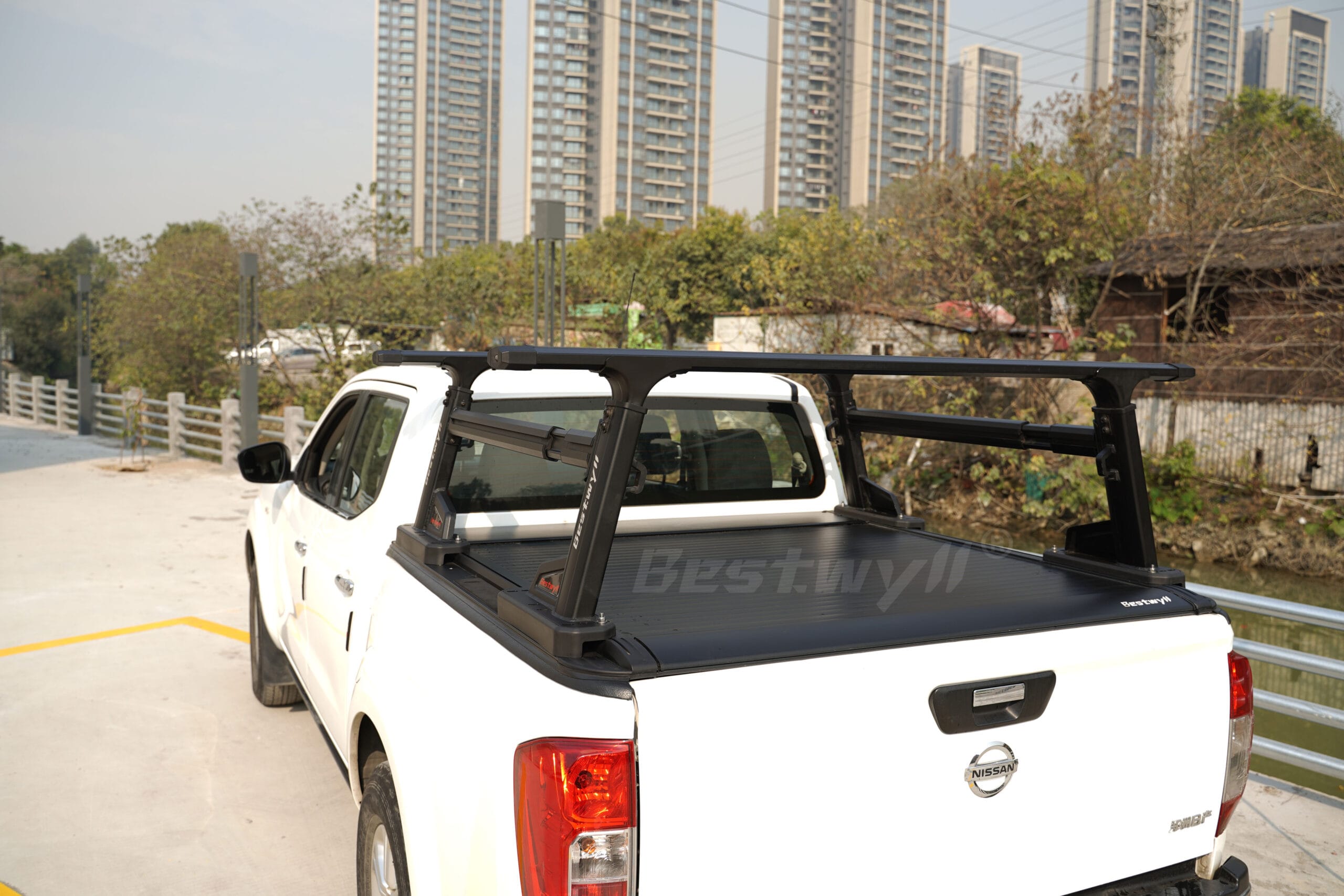
Evolution of Aluminum Truck Racks in Modern Logistics
The transportation industry has seen significant shifts in recent years, with aluminum truck racks emerging as a pivotal innovation for efficiency and sustainability. As businesses grapple with rising fuel costs and environmental regulations, these lightweight yet durable structures have become a go-to solution for hauling cargo securely. Aluminum truck racks, prized for their corrosion resistance and ease of installation, are reshaping how fleets operate across urban and rural landscapes. This trend analysis explores how these racks are influencing cargo management trends, driven by advancements in material science and the push toward greener logistics.
Initially popularized in the construction and delivery sectors, aluminum truck racks have evolved from basic roof carriers to sophisticated modular systems. Early models were heavy and prone to rust, but modern iterations leverage high-grade aluminum alloys that reduce overall vehicle weight by up to 30%. This reduction directly translates to better fuel economy, aligning with global efforts to cut carbon emissions. For instance, logistics companies adopting aluminum truck racks report average savings of 10-15% on fuel, a trend that’s accelerating as electric and hybrid trucks gain traction. The integration of customizable designs allows for versatile applications, from carrying ladders and tools to mounting solar panels for on-the-go power.
Market Trends Driving Adoption of Aluminum Truck Racks
Market dynamics are fueling the rapid adoption of aluminum truck racks, with projections indicating a compound annual growth rate (CAGR) of over 8% through the next decade. E-commerce booms and just-in-time delivery models demand agile solutions, and aluminum truck racks fit perfectly by enabling quick load adjustments without compromising safety. Unlike steel alternatives, aluminum variants offer superior strength-to-weight ratios, making them ideal for overloaded routes common in urban deliveries. Industry reports highlight a surge in demand from small business owners and contractors who value the racks’ low maintenance and longevity, often lasting 15-20 years with minimal upkeep.
Sustainability trends are another key driver. As governments impose stricter emissions standards, such as the EU’s Green Deal, fleets are retrofitting with aluminum truck racks to lighten loads and extend vehicle lifespans. This shift is evident in the rise of eco-friendly certifications for rack manufacturers, emphasizing recyclable materials. Moreover, the aftermarket sector is booming, with DIY enthusiasts turning to aluminum truck racks for personal use in adventure travel and off-road setups. Data from automotive trade shows reveals a 25% increase in aluminum-based products displayed, underscoring their growing market share over traditional options.
Technological integrations are propelling aluminum truck racks into the smart logistics era. Embedded sensors for load monitoring and GPS-enabled designs are becoming standard, allowing real-time tracking that optimizes routes and prevents overload fines. This tech-savvy evolution addresses pain points in fleet management, where downtime from heavy, cumbersome racks once plagued operations. Trends show a preference for foldable and aerodynamic models that reduce drag, further enhancing efficiency. In North America, where trucking accounts for 70% of freight, aluminum truck racks are leading the charge toward automated and data-driven transport solutions.
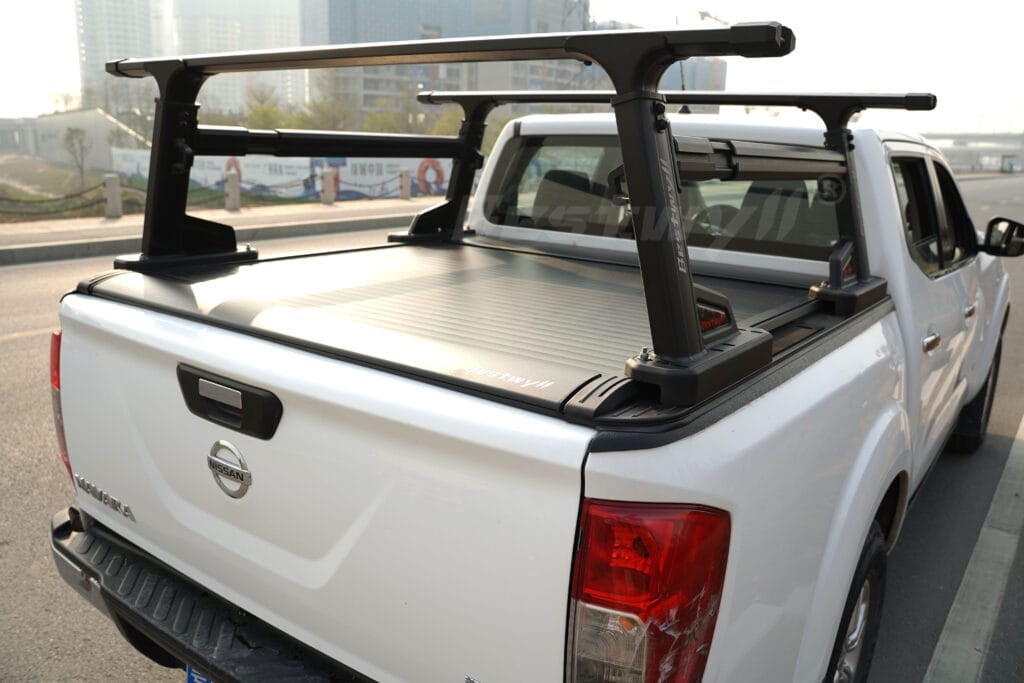
Challenges and Future Prospects for Aluminum Truck Racks
Despite their advantages, aluminum truck racks face challenges in a competitive market. Initial costs can be higher than basic steel racks, deterring budget-conscious operators, though long-term savings often offset this. Supply chain disruptions, particularly in aluminum sourcing, have occasionally slowed production, but innovations in recycling are mitigating these issues. Safety concerns, such as proper installation to avoid wind resistance hazards, are being addressed through standardized guidelines from bodies like the Society of Automotive Engineers.
Looking ahead, the future of aluminum truck racks is bright, intertwined with autonomous vehicle trends. As self-driving trucks emerge, these racks will need to adapt to AI-optimized cargo configurations, potentially incorporating modular attachments for diverse payloads. Global expansion into emerging markets like Asia-Pacific, where infrastructure development is rampant, promises further growth. Analysts predict that by 2030, aluminum truck racks will dominate 60% of the roof rack segment, driven by urbanization and the need for compact, efficient hauling solutions.
In summary, the trajectory of aluminum truck racks reflects broader industry moves toward sustainability, technology, and adaptability. Businesses investing in these systems now are positioning themselves for a more resilient future in logistics, where lightweight innovation meets practical demands head-on.
 Russian
  English
  Chinese
  German
  French
  Japanese
  Korean
  Turkish