
Heavy Duty Cross Bar: Essential for Truck Owners
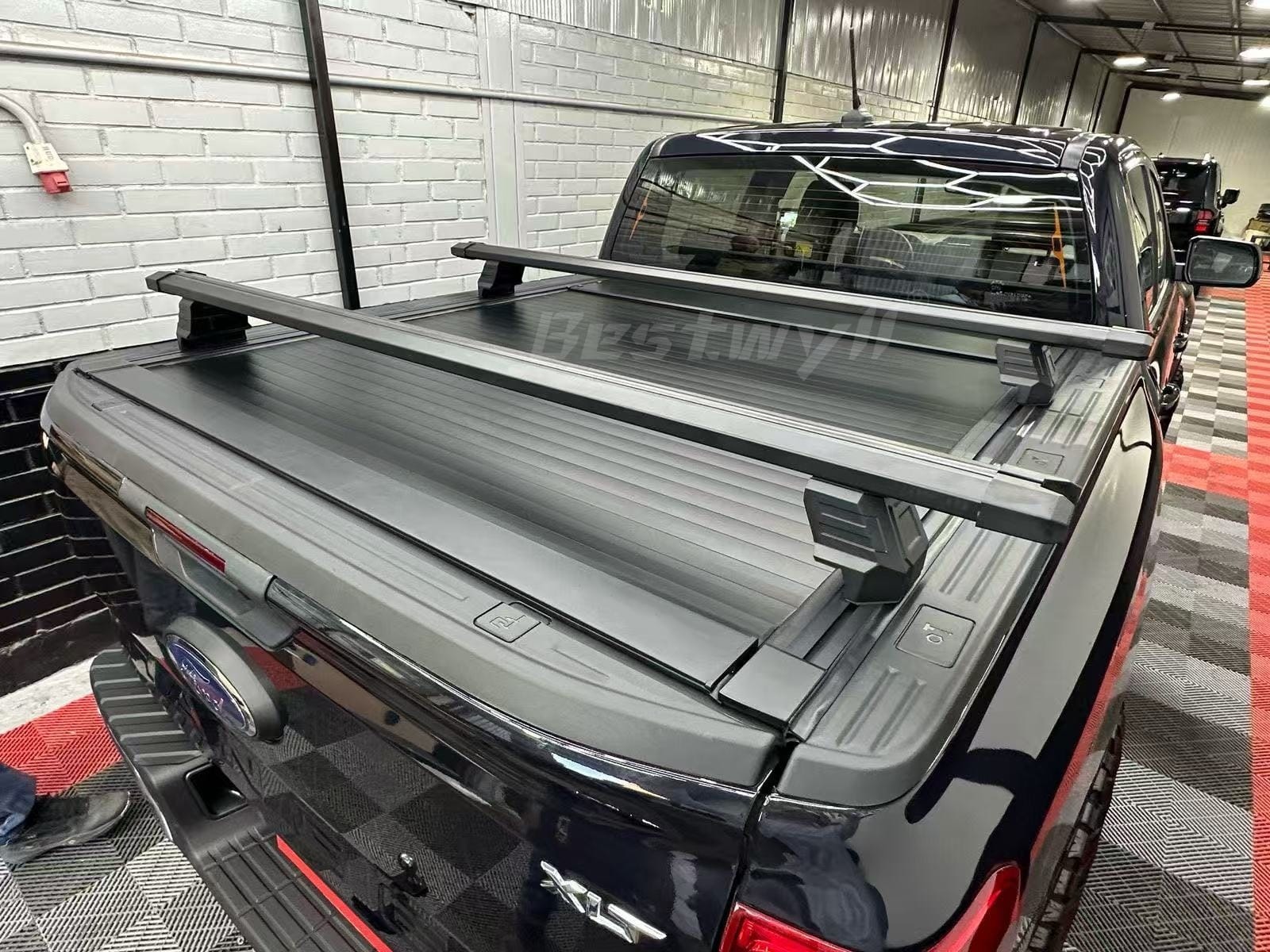
Understanding the Heavy Duty Cross Bar: A Essential Accessory for Truck Owners
The heavy duty cross bar is a vital component for anyone looking to enhance the cargo-carrying capacity of their truck or SUV. Designed to withstand tough conditions, this robust accessory mounts across the roof rails, providing a stable platform for securing loads like ladders, kayaks, or construction materials. Whether you’re a contractor hauling equipment daily or an adventurer planning weekend getaways, the heavy duty cross bar ensures reliability without compromising on vehicle performance. In this article, we’ll explore its features, benefits, and how it integrates with various cross bar types to meet diverse needs.
One of the key advantages of investing in a heavy duty cross bar is its superior load-bearing capacity, often rated for up to 800 pounds or more when properly installed. Made from high-strength aluminum or steel alloys, these bars resist corrosion and warping even under extreme weather or heavy use. Unlike standard roof racks, the heavy duty cross bar is engineered for demanding applications, featuring aerodynamic shapes that reduce wind resistance and noise. For truck owners, selecting the right model means considering factors like vehicle compatibility and mounting hardware. Many come with adjustable widths to fit different bed sizes, making installation straightforward with basic tools. This versatility not only boosts functionality but also adds a sleek, professional look to your ride.
Exploring Cross Bar Types for Every Application
When delving into cross bar types, it’s essential to understand the distinctions that cater to different lifestyles and vehicle models. Basic cross bar types include fixed, removable, and aerodynamic designs, each serving unique purposes. Fixed cross bar types are permanently attached, ideal for frequent haulers who need a no-fuss setup. Removable versions offer flexibility for occasional use, allowing easy storage when not in transit. Aerodynamic cross bar types, with their low-profile contours, minimize drag and fuel consumption, which is crucial for long-haul trips. The heavy duty cross bar often falls into the fixed or semi-fixed category, prioritizing strength over portability. For instance, some cross bar types integrate locking mechanisms to deter theft, adding an extra layer of security for valuable cargo.
Cross bar types have evolved significantly, with innovations like integrated tie-down points and modular accessories enhancing usability. Manufacturers now offer cross bar types compatible with solar panels or bike mounts, expanding their utility beyond traditional hauling. When choosing among cross bar types, consider your truck’s roof configuration—raised rails versus factory tracks—and the weight distribution to maintain balance. Poorly selected cross bar types can lead to vehicle instability or damage, so always check weight limits against your GVWR. The beauty of diverse cross bar types lies in their adaptability, ensuring that whether you’re transporting lumber or camping gear, there’s a perfect match for your needs.
The Universal Cross Bar for Trucks: Flexibility Meets Durability
The universal cross bar for trucks represents the pinnacle of adaptability in roof rack systems, designed to fit a wide array of pickup models from Ford, Chevy, to Toyota. Unlike model-specific options, the universal cross bar for trucks uses adjustable clamps and universal mounting kits, making it a go-to choice for fleet owners or those with multiple vehicles. Paired with a heavy duty cross bar framework, these bars provide seamless integration for cross-vehicle compatibility. What sets the universal cross bar for trucks apart is its one-size-fits-most approach, often spanning 50 to 65 inches in length to accommodate various cab sizes and bed lengths.
Installing a universal cross bar for trucks is typically user-friendly, with step-by-step guides included in the packaging. Many feature quick-release levers for effortless attachment and detachment, saving time during setup. When combined with heavy duty cross bar elements, such as reinforced end caps and anti-vibration pads, these systems excel in rugged environments like off-road trails or construction sites. Owners appreciate how the universal cross bar for trucks handles diverse loads—from ATVs to roofing materials—without frequent adjustments. However, to maximize lifespan, regular inspections for wear and proper torque on bolts are recommended. This ensures the universal cross bar for trucks remains a reliable partner for your hauling adventures.
Why Choose a Heavy Duty Cross Bar Over Standard Options?
Opting for a heavy duty cross bar over lighter alternatives boils down to performance and peace of mind. Standard bars might suffice for groceries or light luggage, but they falter under the stress of repeated heavy loads, leading to bends or failures. In contrast, the heavy duty cross bar employs thicker extrusions and advanced welding techniques for unmatched resilience. Testing standards like those from Thule or Yakima certify their durability, often exceeding industry norms for dynamic load ratings. For truck enthusiasts, integrating a heavy duty cross bar with cross bar types like raised or low-profile variants allows customization to match aesthetic preferences while maintaining functionality.
Maintenance for a heavy duty cross bar is minimal, involving occasional cleaning with mild soap to prevent buildup that could weaken seals. Unlike some cross bar types that require specialized tools for upkeep, heavy duty models are built for simplicity. When paired with a universal cross bar for trucks, you gain the best of both worlds: broad applicability and robust construction. Real-world users, from roofers to overlanders, report fewer replacements and better resale value for vehicles equipped with quality heavy duty cross bars. This investment not only protects your cargo but also safeguards your truck’s structural integrity over years of service.
Installation Tips and Best Practices for Optimal Performance
Proper installation is crucial to unlocking the full potential of your heavy duty cross bar. Begin by consulting your vehicle’s manual to locate mounting points, ensuring the cross bar types you select align with OEM specifications. For universal cross bar for trucks, measure the distance between rails accurately to avoid overhangs that could cause instability. Use torque wrenches to secure hardware, typically tightening to 10-15 ft-lbs, and double-check after a test drive. Incorporating anti-sway brackets with your heavy duty cross bar prevents lateral movement, especially on highways.
Safety should always come first; never exceed the manufacturer’s load limits, and distribute weight evenly across the bars. For extended use with various cross bar types, consider adding weatherproof covers to shield against UV rays and debris. If you’re new to this, video tutorials from reputable brands can guide you through the process, making even complex universal cross bar for trucks setups manageable. Following these best practices ensures your heavy duty cross bar delivers consistent performance, whether navigating city streets or remote terrains.
In summary, the heavy duty cross bar stands out as an indispensable tool for enhancing truck utility, complemented beautifully by diverse cross bar types and versatile universal cross bar for trucks options. By choosing wisely and maintaining diligently, you’ll enjoy safer, more efficient hauling for years to come.
 German
  English
  Chinese
  Friulian
  French
  Japanese
  Korean
  Russian
  Turkish